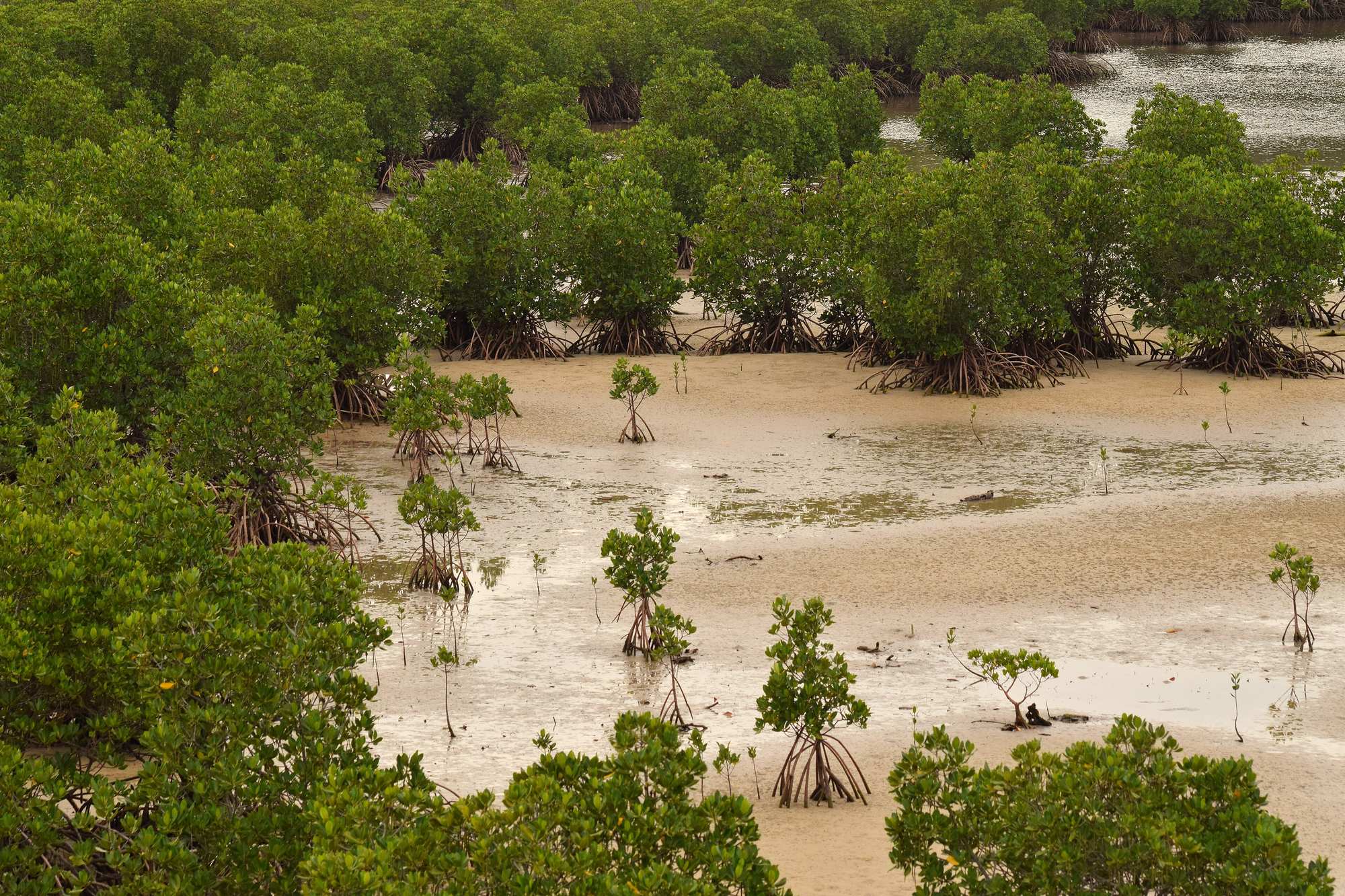
Iriomote Island is Okinawa at its wildest. Most of the island is covered in subtropical jungle, its rivers are lined with Japan’s largest mangrove forests, and waterfalls tumble from the mountains to the sea. It’s a paradise for kayaking, hiking, and wildlife, and one of the most memorable places in Japan.
Overview
Iriomote is the second-largest island in Okinawa Prefecture, yet only a few thousand people live here, in small villages along the north and east coasts. A single main road runs around part of the coastline; the island’s interior and southwest have no roads at all.
In 2021, Iriomote was inscribed as a UNESCO World Natural Heritage site together with northern Okinawa Island and two islands in Kagoshima, recognizing its unique wildlife. Its most famous resident is the Iriomote wildcat (Iriomote yamaneko), a critically endangered cat found nowhere else on Earth. You’re unlikely to see one, but signs everywhere remind drivers to slow down.
Iriomote rewards travelers who slow down. Rather than trying to tick off every waterfall in a day, pick one or two guided adventures, leave time to sit by a quiet beach, and let the island’s pace take over. Even a short stay here feels very different from anywhere else in Japan.
Best Time to Visit
Iriomote is best from around April to October, when rivers and seas are warm and most tours run fully. Summer highs often reach 31–32°C (88–90°F), with high humidity, so start activities early. Typhoons are possible from about June to October. In winter, daytime temperatures are mild, around 21–23°C (70–73°F), and hiking is more comfortable, but northerly winds often cancel ferries to Uehara Port, with boats running to Ohara Port instead. See the best time to visit Okinawa.
Getting There
There’s no airport on Iriomote. Ferries leave from the Ishigaki Port Rito Terminal to two ports:
| Route | Approximate time | Notes |
|---|---|---|
| Ishigaki – Ohara (southeast) | About 40–45 minutes | The more reliable route in rough weather |
| Ishigaki – Uehara (north) | About 45–55 minutes | Closer to the Urauchi River; often suspended in northerly winds, roughly October–March |
Many tours include ferry tickets and pick-up from the port. See Ishigaki and getting to Okinawa.
Getting Around
A rental car gives you the most freedom; book ahead, as supply is limited. A local bus runs along the main road between the east and north coasts, but services are infrequent. Many visitors rely on tour operators, who pick up from the ports and accommodation. Drive slowly, especially at night, to protect the wildcat and other wildlife. See getting around Okinawa.
Top Things to Do on Iriomote Island
Urauchi River Cruise and Waterfall Hike
Near Uehara, boats cruise up the broad Urauchi River through mangroves and jungle to a landing point. From there, a forest trail leads to the Mariyudu and Kanpire waterfalls. Allow most of a day, and wear sturdy shoes.
Mangrove Kayaking and Pinaisara Falls
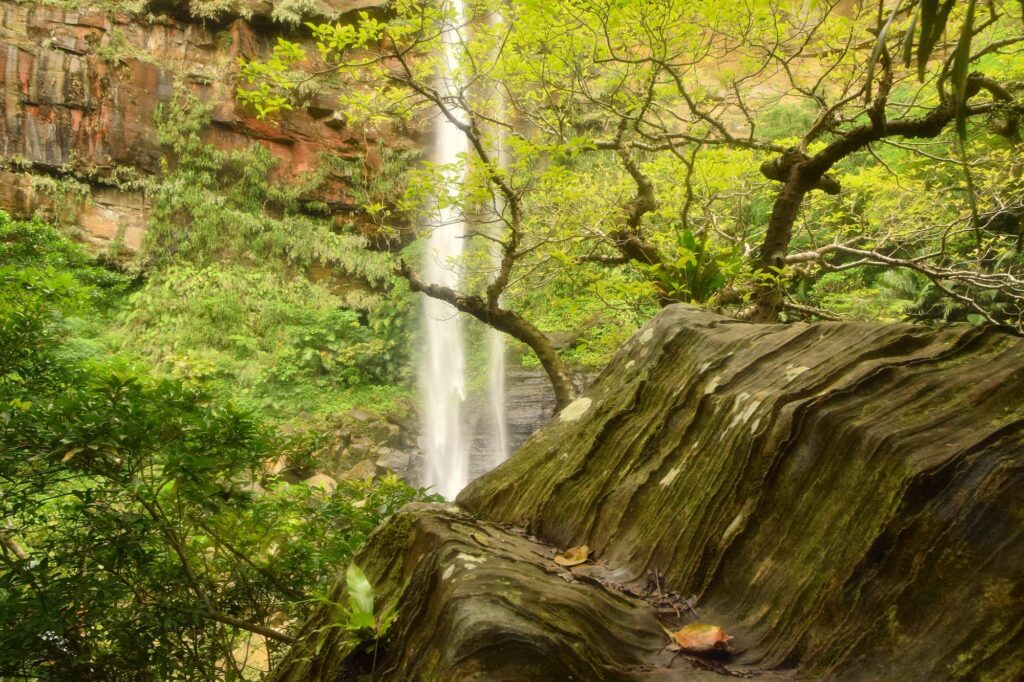
Paddling through the mangroves is the classic Iriomote experience. Guided tours often combine a kayak with a jungle walk to Pinaisara Falls, the tallest waterfall in Okinawa, with a viewpoint at the top looking out to the sea. Daily numbers are capped and a registered guide is required, so book ahead. Tours run for all fitness levels.
Nakama River
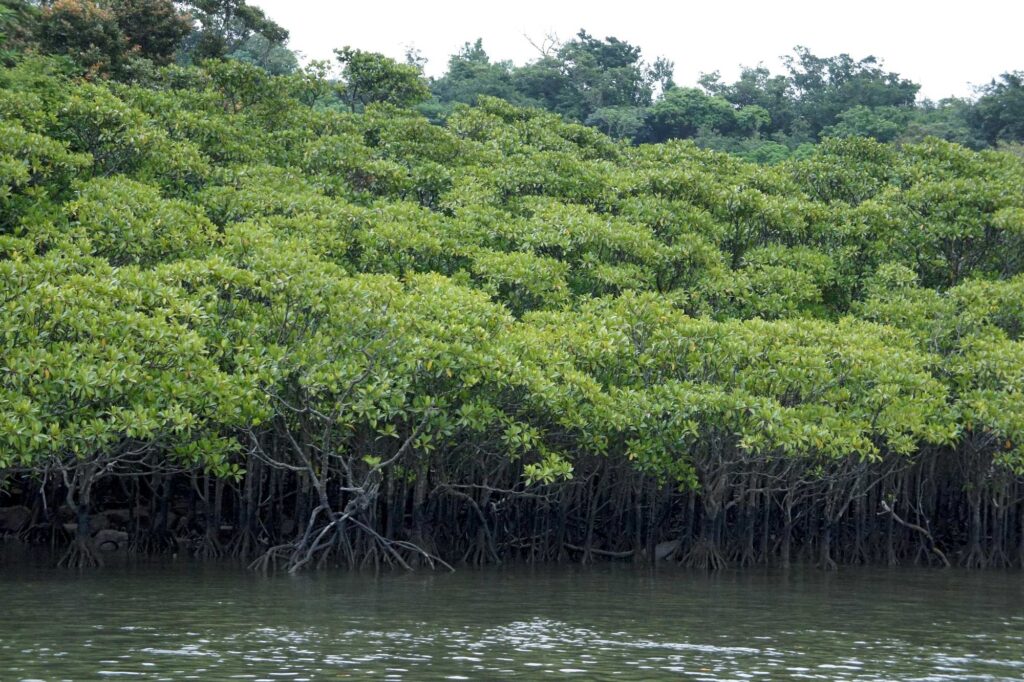
Near Ohara Port, boat cruises explore the Nakama River, known for its large mangrove forest and an ancient sakishima suou tree with huge, ribbon-like roots.
Yubu Island
Off the east coast, water-buffalo carts carry visitors across the shallow water to tiny Yubu Island, which is home to a botanical garden of tropical plants. It’s a gentle, photogenic half-day trip.
Beaches and Snorkeling
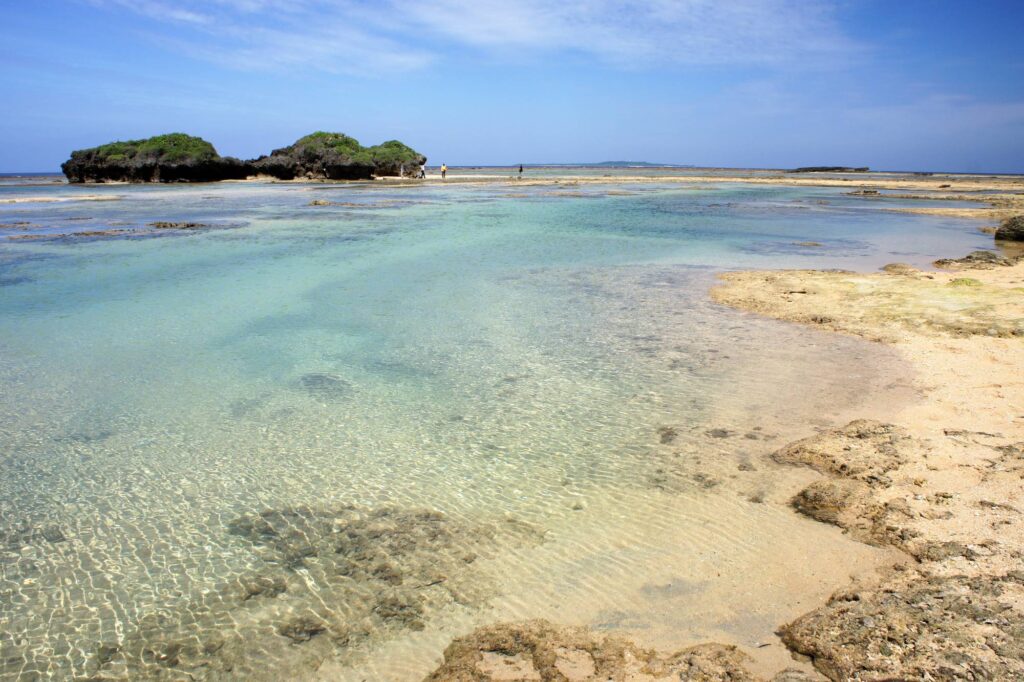
Hoshizuna Beach is known for its star-shaped sand, which is actually made from tiny shells. Boat tours visit Barasu Island, a small island made of coral fragments, surrounded by excellent snorkeling. Currents can be strong around Iriomote’s reefs, so snorkel with a guide. See snorkeling and diving and the best beaches in Okinawa.
Funauki Village
At the end of the road in the west, boats from Shirahama cross a bay to Funauki, a tiny village with no road connection to the rest of the island. A short walk leads to Ida-no-hama, a quiet, beautiful beach. It feels like the end of the world in the best way.
Night Tours
After dark, guided night walks reveal frogs, crabs, insects, and glowing fungi in the forest. The skies are part of the Iriomote-Ishigaki National Park, an International Dark Sky Park, so stargazing is excellent too.
Responsible Travel on Iriomote
Iriomote’s World Heritage status has brought growing visitor numbers to a fragile island. Book activities with licensed local guides, who know the rules for each area and help reduce impact. Since March 2025, five fields on Iriomote, including the Hinai River route to Pinaisara Falls (capped at 200 people a day) and the Nishida River to Sangara Falls (100 a day), require advance entry approval from Taketomi Town and, for these two, a registered guide. Your tour operator normally handles the application, so book early in peak season. Never feed wildlife, stay on trails, and take all trash with you.
What to Pack
- Quick-drying clothes and shoes that can get wet, for river and kayak tours.
- Insect repellent, a hat, and plenty of sunscreen.
- A rain jacket; showers are frequent in the jungle.
- A flashlight or headlamp for evenings.
- Cash, as card payment is not always accepted.
Where to Stay
- Uehara and the north coast: the largest choice of guesthouses, resorts, and restaurants, close to the Urauchi River.
- Ohara and the east coast: quieter, close to the Nakama River and Yubu Island, with the most reliable ferry port.
- Day trip from Ishigaki: possible, but you’ll only scratch the surface.
Accommodation is limited, so book early. See where to stay in Okinawa.
Where to Eat
Dining options are few and spread out. You’ll find small restaurants, cafés, and a handful of izakaya around Uehara and Ohara, plus local shops for snacks and drinks. Many places close early or on irregular days, so many visitors book dinner at their accommodation. Try local dishes such as Yaeyama soba and fresh seafood. Carry cash. See our food and drink guide.
Sample 2-Day Iriomote Plan
- Day 1: Early ferry from Ishigaki to Uehara. Join a guided mangrove kayak and Pinaisara Falls tour. Relax at Hoshizuna Beach and go on a night tour.
- Day 2: Urauchi River cruise and waterfall hike in the morning, or a snorkel trip to Barasu Island. In the afternoon, drive east to Yubu Island and take the water-buffalo cart, then catch a ferry back to Ishigaki from Ohara.
Combine Iriomote with other islands in the Yaeyama Islands guide and our Okinawa itineraries.
Frequently Asked Questions
Can I visit Iriomote as a day trip from Ishigaki?
Yes, many people do, often with a tour that includes the ferry. Staying at least one night gives you much more time on the river and in the forest.
Is it safe to hike on Iriomote on my own?
Marked trails are fine for experienced hikers, but the jungle is dense, rivers can rise quickly, and phone signal is patchy. A local guide is strongly recommended for longer routes.
Will I see an Iriomote wildcat?
Probably not. The cat is shy and very rare. Learn about it at the island’s wildlife center and drive carefully.
Which port should I sail to?
Uehara is closer to the Urauchi River and most guesthouses, but Ohara is the more reliable port in rough weather. If Uehara is cancelled, ferry companies often arrange a bus connection from Ohara; ask when you buy your ticket.
Are there snakes on Iriomote?
Yes, including the venomous Sakishima habu. Stay on trails, watch where you step, and use a flashlight at night.