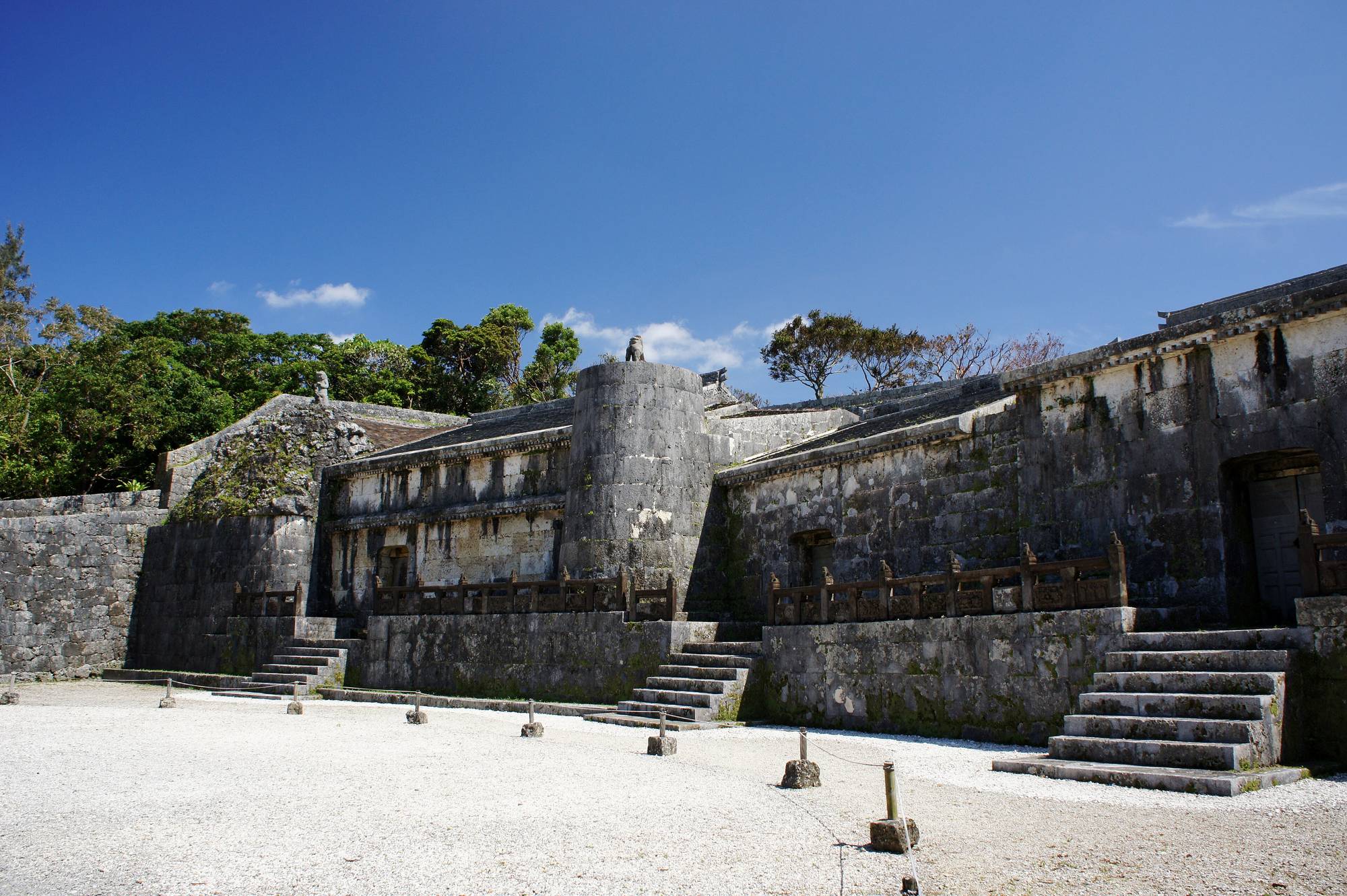
For centuries, Okinawa was the heart of the independent Ryukyu Kingdom, a seafaring nation that traded with China, Japan, Korea, and Southeast Asia. That history gave the islands their own language, religion, music, food, and crafts, all of which still shape daily life today.
Okinawa’s story also includes great loss. The Battle of Okinawa in 1945 devastated the islands and remains central to how Okinawans think about peace. Understanding both sides of this history will make your visit far richer.
This section introduces Okinawa culture and history for visitors, with practical tips on where to see it for yourself.
What’s in This Section
Ryukyuan Religion & Spirituality
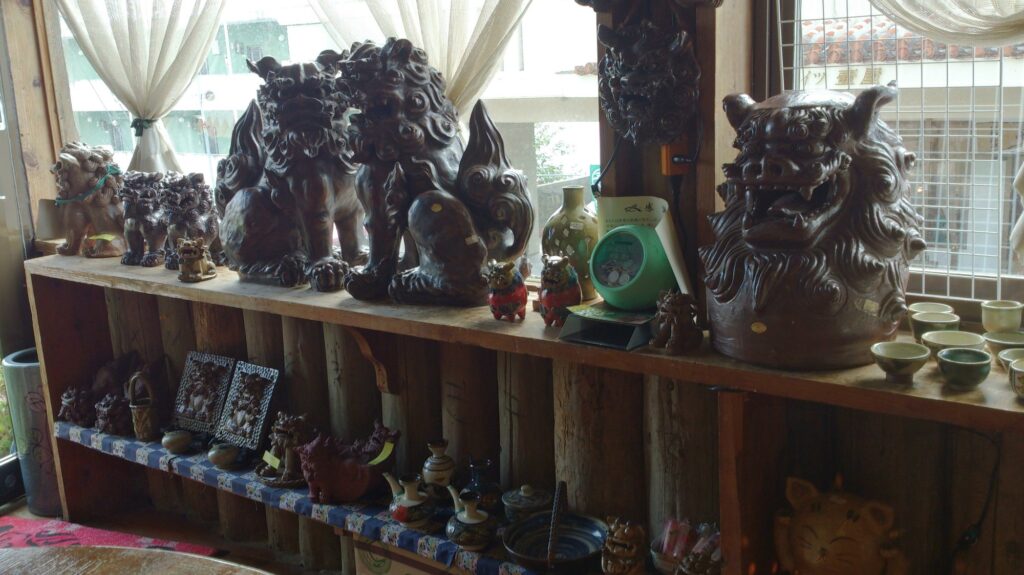
Ancestor veneration, utaki sacred groves, noro priestesses and yuta, the hearth deity Hinukan, shisa guardians, and how to visit sacred sites respectfully.
WWII & the Battle of Okinawa
The history of the 1945 battle and its toll on civilians, and a guide to visiting memorials such as Peace Memorial Park and the Himeyuri Peace Museum.
Music & Performing Arts
The sanshin, folk songs, Eisa drum dancing, and classical Ryukyuan dance, plus where you can hear and see them live.
Where to Start
If you only have a day for culture, the Shuri area of Naha is a natural starting point. Shuri Castle was the royal seat of the Ryukyu Kingdom, and the surrounding neighborhood has stone-paved lanes, the royal mausoleum of Tamaudun, and the Sonohyan-utaki stone gate, a sacred site of the kingdom. The main hall, lost in a fire in 2019, has been rebuilt and is due to open to the public in late November 2026.
Head south for a different perspective. Sefa-utaki, the most sacred site of the old kingdom, sits on the coast of Nanjo City, while Itoman is home to Peace Memorial Park and the Himeyuri Peace Museum. Many visitors combine these in a single day by car, though it is worth slowing down. These are places for reflection rather than quick photo stops.
Living culture is everywhere too. Look for shisa on rooftops, listen for the sanshin in Naha’s restaurants, and try local dishes such as goya champuru and Okinawa soba. Each one has a story that connects back to the islands’ history.
Quick Tips for Experiencing Okinawan Culture
- Learn a few local words. Haisai (hello) and nifee debiru (thank you) will earn you smiles.
- Visit sacred sites quietly. Utaki are places of prayer. Stay out of roped-off areas and don’t touch offerings.
- Approach memorials with care. War memorials are places of mourning for many local families.
- See live music. Many restaurants and bars in Naha host sanshin performances in the evening.
- Time your trip for a festival. Eisa season around Obon and the Naha Great Tug-of-War in October are highlights.
Frequently Asked Questions
Is Okinawan culture different from Japanese culture?
Yes. Okinawa is part of Japan, but the Ryukyu Kingdom developed its own language, religion, arts, and cuisine, influenced by trade with China and Southeast Asia as well as Japan.
When did Okinawa become part of Japan?
The Ryukyu Kingdom was annexed by Japan in 1879 and became Okinawa Prefecture. After WWII it was under US administration until it returned to Japan in 1972.
Where is the best place to learn about Okinawan history?
Good starting points include Shuri Castle and the Okinawa Prefectural Museum in Naha, and Peace Memorial Park in Itoman for the Battle of Okinawa.