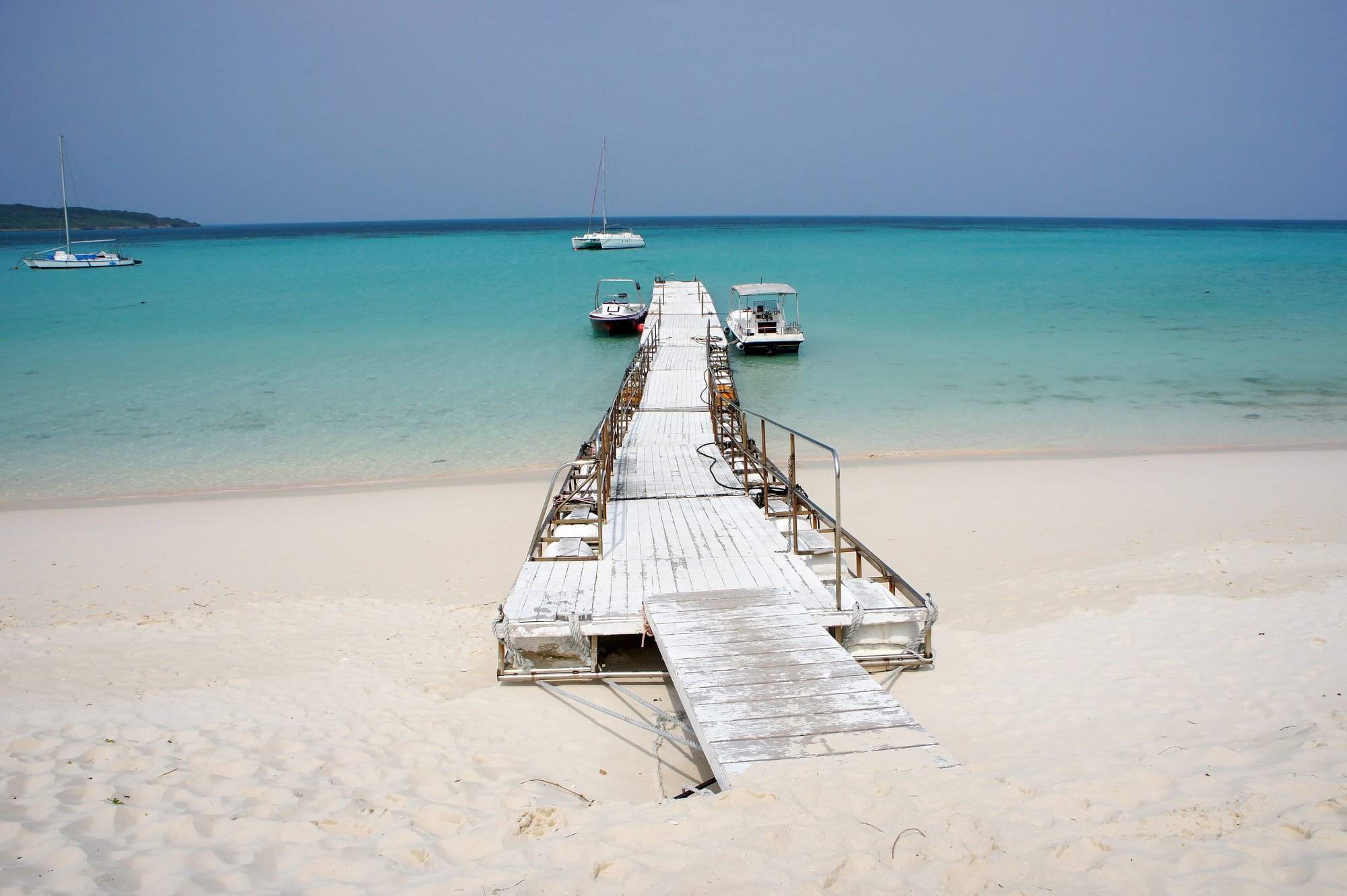
Okinawa is warm enough to enjoy all year, which is exactly why choosing the best time to visit Okinawa can feel confusing. Every season has something going for it: spring brings calm seas and festivals, summer is peak beach time, autumn mixes warm water with fewer crowds, and winter is mild, quiet, and great for sightseeing.
This guide walks you through Okinawa’s seasons, the rainy and typhoon seasons, sea temperatures, busy holiday periods, and the main festivals month by month, so you can pick the dates that fit your trip.
The Short Answer
For most visitors, the sweet spots are April to early May (before the rainy season, avoiding Golden Week if you can) and late June to early July (right after the rainy season ends, before the summer peak). October and November are also excellent, with warm seas, lower humidity, and fewer crowds, though typhoons are still possible in October.
If you mainly want sightseeing, culture, and hiking rather than swimming, the cooler months from December to March are comfortable and good value.
Okinawa’s Climate at a Glance
Okinawa has a subtropical climate, the only prefecture in Japan with one. Winters are mild rather than cold, and summers are long, hot, and humid. Rain can fall in any month, but it is heaviest during the early-summer rainy season and when typhoons pass by.
Remember that Okinawa Prefecture stretches across many islands. The Miyako and Yaeyama islands (including Ishigaki) lie farther south and are generally a little warmer than the Main Island, but the overall seasonal pattern is similar.
Okinawa Month by Month
Sea temperatures below are rough averages for the Naha area and will vary by year, island, and depth. Treat them as a guide rather than a guarantee.
| Month | Weather | Sea & beaches | What’s on |
|---|---|---|---|
| January | Coolest month; often cloudy and breezy, but mild by Japanese standards | Around 21–22°C (70–72°F); too cool for most swimmers | New Year; cherry blossoms begin in the north late in the month; whale watching season |
| February | Mild and changeable; occasional sunny warm days | Around 21°C (70°F), usually the coolest water of the year | Cherry blossom festivals; professional baseball spring training camps; whale watching |
| March | Warming up; more sunshine | Around 21–22°C (70–72°F); first beach openings late in the month | Spring break crowds from mainland Japan; beach opening ceremonies begin |
| April | Pleasant and warm; a favorite month | Around 23°C (73°F); beaches officially open across the islands | Shimi (Seimei-sai) family tomb visits; Golden Week begins on April 29 |
| May | Warm; the rainy season usually starts around mid-May | Around 25°C (77°F) | Golden Week (to May 5); Naha Hari dragon boat races; start of the rainy season |
| June | Rainy season through roughly the third week, then hot and sunny | Around 27°C (81°F); habu jellyfish nets go up | Rainy season ends; Irei no Hi (Okinawa Memorial Day) on June 23; typhoon season begins |
| July | Hot, sunny, humid; often the most reliable beach weather | Around 28–29°C (82–84°F) | Summer holidays begin; beach events; typhoons possible |
| August | Peak heat and peak crowds | Around 29°C (84°F) | Obon and Eisa dance season (dates follow the lunar calendar); typhoon peak |
| September | Still hot; a peak month for typhoons | Around 28–29°C (82–84°F) | Obon and Eisa in some years; Okinawa Zento Eisa Festival in Okinawa City |
| October | Warm, less humid; typhoons still possible early | Around 27°C (81°F); swimming still very good | Naha Great Tug-of-War (Naha Otsunahiki) |
| November | Comfortable and dry-feeling; great sightseeing weather | Around 25°C (77°F); some beaches close for the season | Quieter crowds; fall festivals and sports events |
| December | Mild and often breezy; cooler evenings | Around 23°C (73°F) | Holiday illuminations; whale watching season starts late in the month |
The Seasons Explained
Spring (March to May)
Spring is one of the most pleasant times of year. Days are warm without the punishing summer humidity, and the official beach season opens with umibiraki (sea opening) ceremonies from around late March into April. The water is still a little cool for some people in March, but by late April many visitors swim comfortably.
The catch is the calendar: Japan’s Golden Week holidays and the start of the rainy season both fall in spring, so timing matters.
Summer (June to September)
Once the rainy season ends, Okinawa delivers the classic tropical-island picture: blue skies, very warm water, and long beach days. It is also the hottest, most humid, and busiest season, and it overlaps with typhoon season. Sun protection and plenty of water are essential, and midday sightseeing outdoors can be tiring.
Autumn (October to November)
Autumn is a local favorite. The sea stays warm from all the summer heat, humidity drops, and crowds thin out after the summer holidays. October is still within typhoon season, so build some flexibility into your plans. By late November, some beaches have ended their lifeguarded season, but the weather is ideal for walking, castles, and island hopping.
Winter (December to February)
Winter in Okinawa is mild, not tropical. Expect cool, often windy and cloudy days, with occasional bright, warm afternoons. It never snows, but you will want a light jacket, especially in the evening and on ferries. Winter is a great time for cherry blossoms, whale watching, uncrowded sights, and generally lower travel costs.
Rainy Season: Mid-May to Late June
Okinawa’s rainy season (tsuyu or baiu) arrives about a month earlier than in mainland Japan. According to the Japan Meteorological Agency, it typically begins around mid-May and ends around the third week of June, though the exact dates shift every year.
Rainy season does not mean constant rain. You will often get grey, humid days, heavy showers, and some sunny breaks. Prices can be lower, and it is a reasonable time to visit if you plan indoor options such as the Okinawa Churaumi Aquarium, museums, markets, and food tours.
One of the best-kept secrets is the stretch just after the rainy season ends. Late June and early July often bring strong sunshine, calm seas, and fewer crowds than August.
Typhoon Season: Roughly June to October
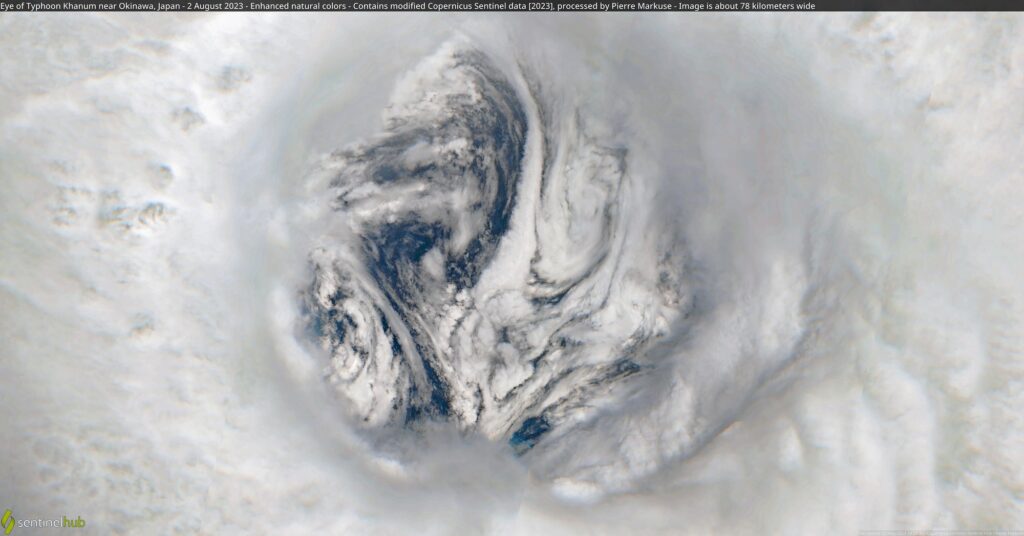
Typhoons can affect Okinawa from about June to October, with the highest risk usually in August and September. Storms occasionally appear outside this window too. Most of the time, a typhoon means a day or two of strong wind and rain, but it can also mean cancelled flights and ferries, closed beaches and attractions, and shops that close early.
- Keep a buffer day before an international flight home, especially if you are visiting outer islands by ferry.
- Buy travel insurance that covers weather delays.
- Follow the Japan Meteorological Agency and your hotel’s advice, and stay indoors when a typhoon is passing.
- Stock up on water and snacks before a storm arrives, as convenience stores may close for a time.
- Never go to the beach or sea wall to watch the waves. Swells and rip currents remain dangerous after the wind drops.
Beach Season and Sea Temperatures
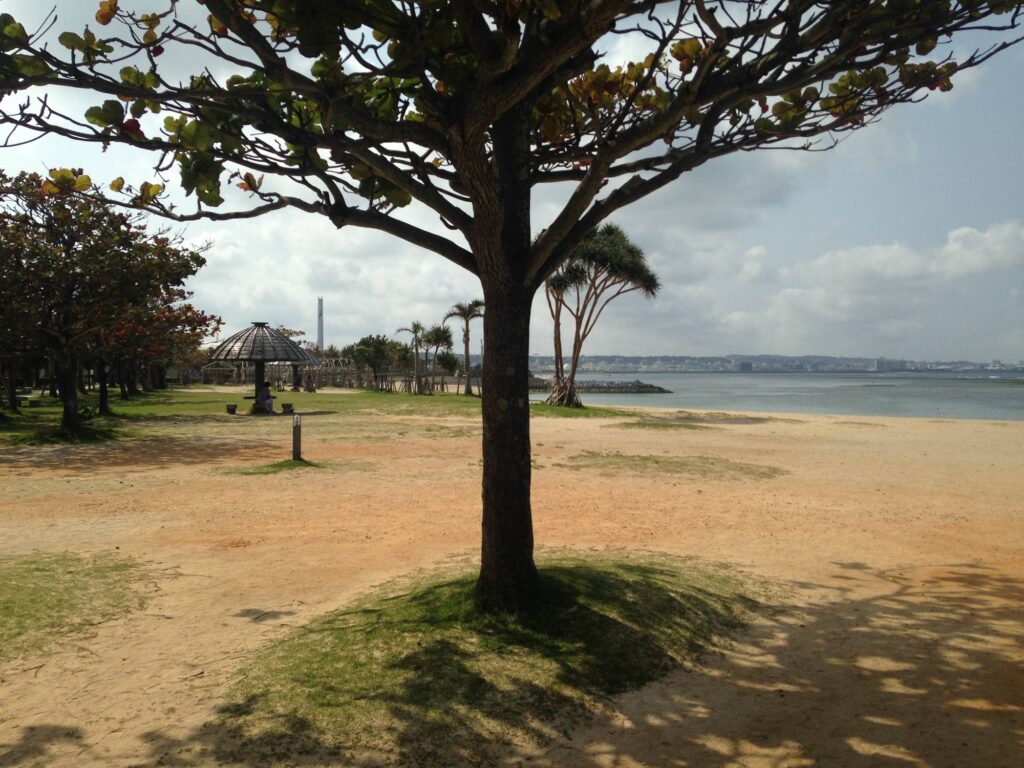
Official swimming beaches generally open from around late March or April and many operate their lifeguarded, netted season into October. Dates vary by beach and island, so check locally.
From roughly June to September, Okinawa Prefecture issues an advisory for habu jellyfish, a dangerous box jellyfish. Many managed beaches install jellyfish nets during this time. Swim inside the nets where they exist, wear a rash guard, and carry vinegar, which is the recommended first aid for habu jellyfish stings before seeking medical help.
If you want warm water and the best chance of calm seas, aim for late June through early July, or October if you are comfortable with some typhoon risk.
Crowds: Golden Week, Obon, and School Holidays
Okinawa is one of Japan’s favorite domestic getaways, so Japanese holiday periods bring the biggest crowds and highest prices.
- Golden Week (April 29 to May 5): flights, hotels, and rental cars book out early and cost more.
- Summer holidays (late July through August): the busiest beach period of the year.
- Obon: mainland Japan’s Obon falls in mid-August, while Okinawa’s Obon follows the lunar calendar and usually lands in August or early September. Both bring family travel and local closures.
- New Year (late December to early January) and Japanese spring break (March) are also busier than usual.
If you can, book early for these dates, or shift your trip by a week or two to save money and enjoy quieter beaches.
Key Festivals and Events by Month
- Late January to February – Cherry blossoms: Okinawa’s deep-pink kanhizakura bloom earliest in Japan, usually starting in the north around Nago and Motobu (Mount Yae) and moving south. Local cherry blossom festivals are held in this season.
- February – Baseball camps: several Japanese professional baseball teams hold spring training in Okinawa, and fans are welcome to watch.
- April – Shimi (Seimei-sai): families gather at their ancestral tombs to clean them, make offerings, and share food. It is a private family event, so observe respectfully from a distance.
- May – Naha Hari: traditional dragon boat races in Naha during Golden Week. Other harbors hold their own hari or haarii races around the fourth day of the fifth lunar month.
- August to September – Obon and Eisa: around Obon, neighborhood groups perform Eisa, a powerful drum dance that sends ancestral spirits off. The large Okinawa Zento Eisa Festival in Okinawa City is usually held soon after Obon.
- October – Naha Great Tug-of-War (Naha Otsunahiki): usually held in central Naha around the Sports Day long weekend, with a giant rice-straw rope that has been recognized by Guinness World Records. Anyone can join the pull.
Festival dates change each year, and many follow the lunar calendar, so check official event listings before you book.
Best Time to Visit Okinawa by Traveler Type
| If you want… | Go in… | Why |
|---|---|---|
| Beaches and snorkeling | Late June–July, or October | Warm water, long sunny days; just watch for typhoons |
| Diving | April–November | Warm water and good visibility; winter brings whale season around the Kerama Islands |
| Sightseeing and hiking | October–April | Cooler, less humid weather for castles, forests, and walking |
| Lower prices and fewer crowds | Mid-January–February (outside holidays), November | Off-peak demand outside major Japanese holidays |
| Festivals and culture | August–October | Eisa season and the Naha Great Tug-of-War |
| Families | Late June–July or early autumn | Swimmable seas; avoid Golden Week and mid-August peaks if you can |
| Cherry blossoms | Late January–February | Japan’s earliest cherry blossoms |
Frequently Asked Questions
What is the best month to visit Okinawa?
For most travelers, April, late June to early July, and October offer the best balance of good weather, warm seas, and manageable crowds. Avoid Golden Week and mid-August if you want lower prices.
When is the rainy season in Okinawa?
It typically runs from around mid-May to about the third week of June, roughly a month earlier than in Tokyo or Kyoto. The exact start and end dates change each year.
When is typhoon season in Okinawa?
Roughly June through October, with August and September usually the most active months. Leave flexibility in your plans and consider travel insurance.
Can you swim in Okinawa in winter?
Some people do, but the sea is usually around 21–22°C (70–72°F) and the wind can make it feel cooler. Most beaches are not lifeguarded in winter. Snorkeling and diving with a wetsuit remain popular.
Is Okinawa crowded during Golden Week?
Yes. Golden Week (April 29 to May 5) is one of the busiest and most expensive times to visit, so book flights, hotels, and rental cars well ahead.
When do cherry blossoms bloom in Okinawa?
Usually from late January into February, starting in the north of the Main Island. That makes Okinawa the first place in Japan to see cherry blossoms each year.
When is the Naha Great Tug-of-War?
It is held every October in central Naha, usually around the Sports Day long weekend. Check the official festival website for the exact date.
Whenever you go, Okinawa rewards a relaxed pace. Build in a spare day for the weather, and you will have time to enjoy both the beaches and the island’s rich culture.