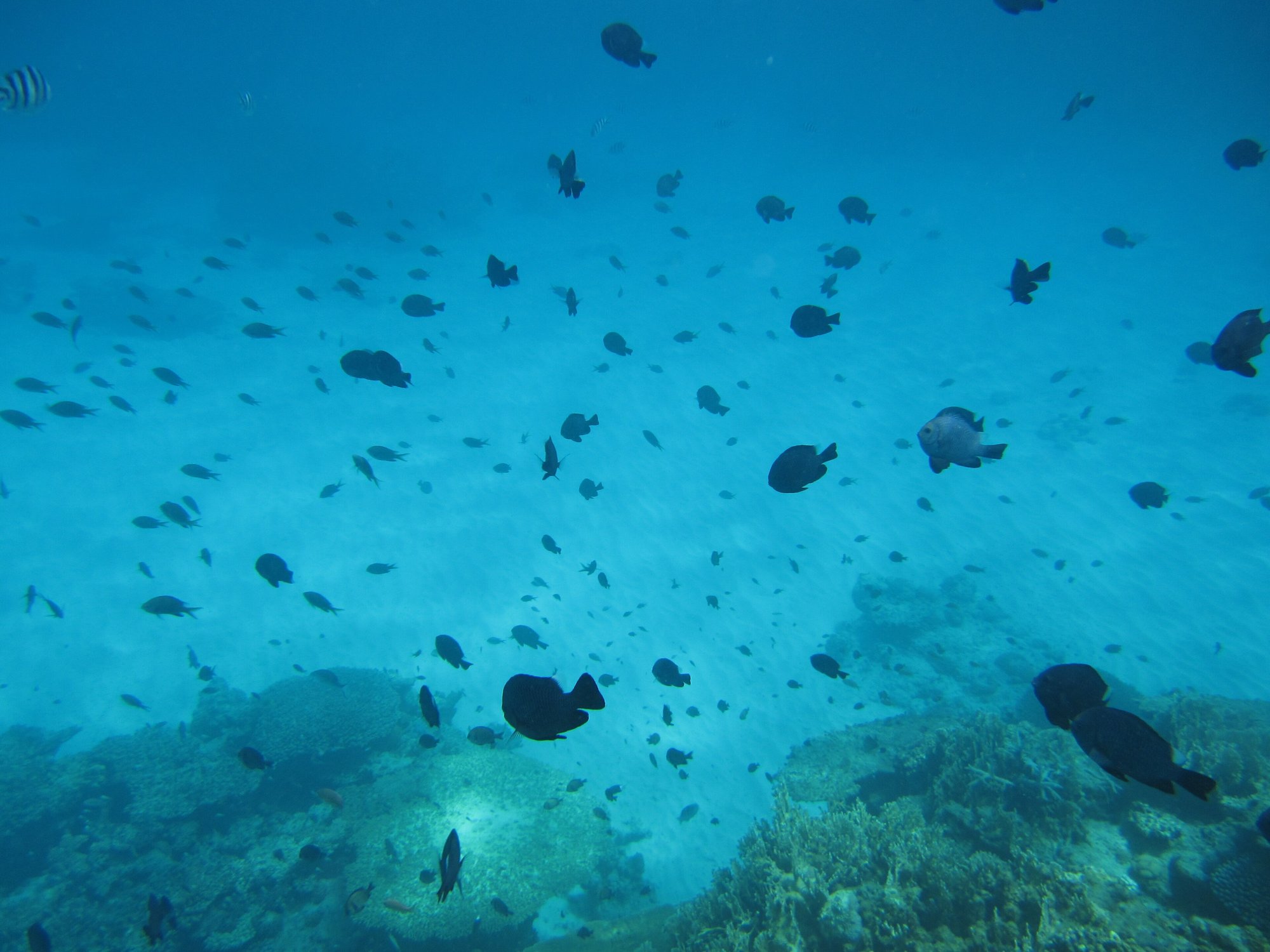
Okinawa sits on the edge of some of the richest coral reefs in Japan. Warm currents, clear water, and hundreds of species of coral and fish make the islands a favorite for snorkelers and divers alike. Whether you want an easy family snorkel from the beach or a cavern dive off Miyako, there’s something for every level.
This guide covers the best places for snorkeling in Okinawa and diving, when to go, how to choose a tour, and how to stay safe and protect the reef.
Snorkeling or Diving?
- Snorkeling needs no certification and is ideal for families and casual swimmers. Many reefs start in shallow water just 1–3 m (3–10 ft) deep.
- Trial diving (often called a “try dive” or taiken diving) lets non-certified beginners dive with an instructor at shallow depths after a short briefing.
- Fun dives are for certified divers. Bring your certification card and logbook, and expect the shop to ask about your recent experience.
When to Go
You can snorkel and dive in Okinawa all year, but conditions change with the seasons.
| Season | Water temperature (approx.) | What to expect |
|---|---|---|
| Winter (Dec–Feb) | Around 21–22°C (70–72°F) | Cooler water, wind can limit sites; whale season around the Kerama Islands |
| Spring (Mar–May) | Around 21–25°C (70–77°F) | Warming water, fewer crowds; rainy season begins around mid-May |
| Summer (Jun–Sep) | Around 27–29°C (81–84°F) | Warmest water and calmest seas between typhoons; habu jellyfish season |
| Autumn (Oct–Nov) | Around 25–27°C (77–81°F) | Still warm, fewer crowds; typhoons possible in October |
Sea temperatures are rough averages for the Naha area; the Yaeyama Islands are usually a little warmer. In summer, a thin wetsuit or rash guard is enough for most people. In winter, divers usually wear a thicker wetsuit.
Best Snorkeling and Diving Areas
Okinawa Main Island: The Blue Cave at Cape Maeda
The Blue Cave (Ao no Dokutsu) at Cape Maeda in Onna Village is one of Okinawa’s most famous spots. Sunlight reflecting through the water makes the inside of the cave glow bright blue, and the surrounding reef is full of colorful fish. It’s popular with both snorkelers and beginner divers, and most people visit with a guided tour.
Because the cave faces the open sea, tours are often cancelled in strong wind or high waves, especially in winter. Mornings are usually calmer and less crowded.
Other Main Island spots
Elsewhere on the Main Island, the west coast around Onna and the islands off the Motobu Peninsula, such as Sesoko and Minna, offer good snorkeling in calm conditions. Tour boats also run to small islands with clear water and sandy shallows. Managed beaches with jellyfish nets are the safest choice for children.
Kerama Islands
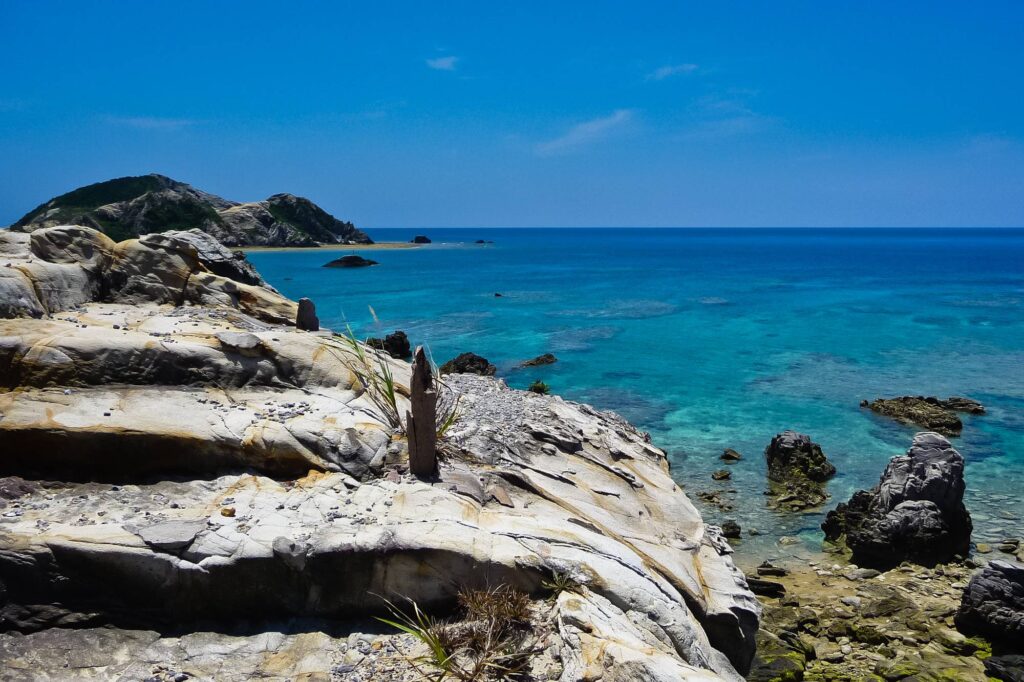
The Kerama Islands, a short ferry ride from Naha, are part of Keramashoto National Park and famous for exceptionally clear water, known as “Kerama blue.” Beaches such as Furuzamami on Zamami and Aharen on Tokashiki have reefs close to shore, and sea turtles are often seen around the islands. Diving is excellent too, with coral gardens, drop-offs, and abundant fish life.
From roughly January to March, humpback whales visit the waters around the Kerama Islands, and whale-watching tours run from Naha and Zamami.
Miyako Islands
Miyako is known for very clear water and dramatic underwater topography. Around Irabu and Shimoji islands, divers explore caverns, arches, and swim-throughs that rank among Japan’s most distinctive dive sites. Snorkelers can enjoy shallow reefs at several beaches when the sea is calm, though many beaches have no lifeguards, so a guided tour is a safer choice.
Yaeyama Islands: Ishigaki and Iriomote
Ishigaki is famous for the chance to see manta rays, particularly at sites near Kabira, where they come to be cleaned by small fish. Sightings are never guaranteed, but local dive shops know the best seasons and conditions. The reefs around Ishigaki, Iriomote, and the nearby small islands are among the most biodiverse in Japan.
Experienced divers also travel to Yonaguni, Japan’s westernmost island, to see the much-debated underwater rock formations and, in winter, schools of hammerhead sharks. Conditions there can be challenging, so it’s best for experienced divers.
How to Choose a Tour or Dive Shop
- Look for shops that keep group sizes small and offer briefings in a language you understand. Some shops have English-speaking staff; ask before booking.
- Check what’s included: equipment, wetsuit, boat fees, hotel pick-up, insurance, and photos.
- Ask how they decide whether to run in marginal weather. A good operator will cancel or switch sites when conditions are unsafe.
- For certified divers, bring your card and logbook, and be honest about your recent experience.
- Book ahead in summer and during Japanese holidays, when popular tours fill quickly.
Safety Tips
- Never snorkel alone, and stay within your ability. Currents near reef edges and channels can be strong.
- Wear a life jacket or snorkel vest if you’re not a confident swimmer. Many tours provide them.
- Watch for jellyfish. Habu jellyfish are a risk roughly from May to October. Wear a rash guard or wetsuit, and carry vinegar for first aid.
- Don’t touch marine life. Some reef animals, such as stonefish, cone shells, lionfish, and sea snakes, are venomous.
- Wear reef shoes or fins to protect your feet when entering from the shore.
- Check the weather and tides. Wind direction can make one coast rough and another calm.
- Allow time before flying. Common dive guidelines recommend waiting at least 12 hours after a single no-decompression dive and at least 18 hours after multiple dives or multiple days of diving before you fly. Ask your instructor for advice.
Protecting the Reef
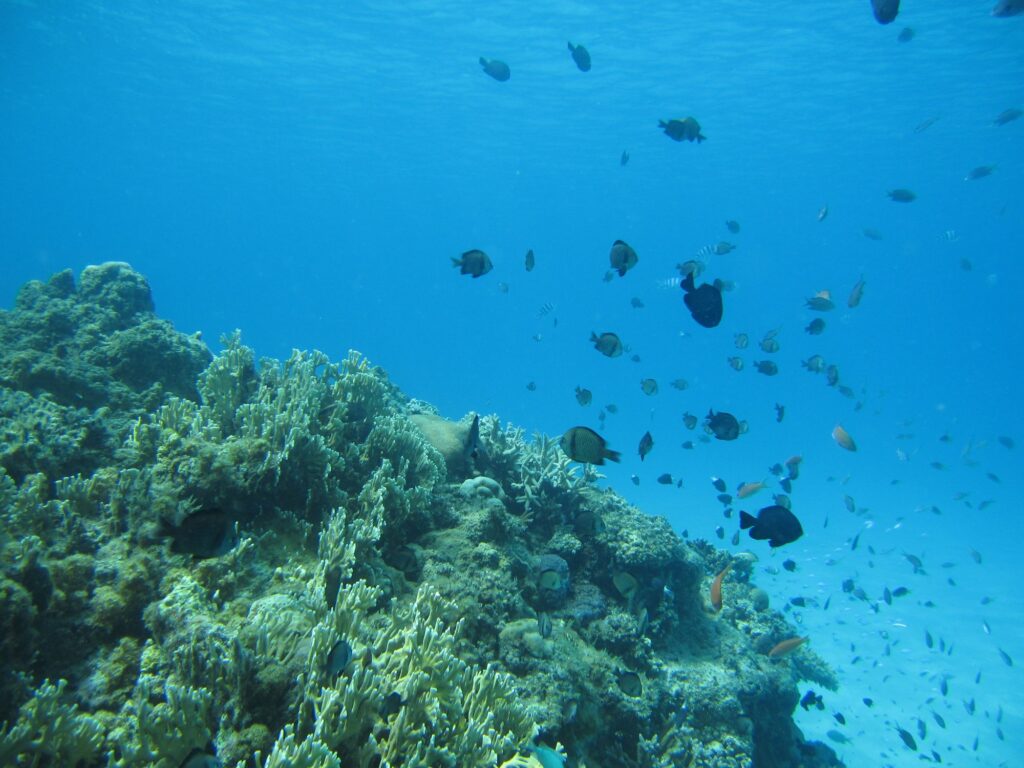
Okinawa’s reefs have been hit by coral bleaching during marine heatwaves, and they are also affected by runoff and crown-of-thorns starfish outbreaks. Visitors can help:
- Never stand on, kick, or touch coral. Keep your fins up and practice good buoyancy.
- Use coral-friendly sunscreen, or cover up with a rash guard instead.
- Don’t feed fish or chase turtles. Keep a respectful distance.
- Don’t take coral, shells, or sand, which is often prohibited anyway.
- Choose operators that brief guests on reef etiquette.
Planning your beach days too? See our guide to the best beaches in Okinawa, and check the best time to visit for sea conditions month by month.
Frequently Asked Questions
Where is the best snorkeling in Okinawa?
The Kerama Islands are hard to beat for clear water and sea turtles, and they’re close to Naha. On the Main Island, the Blue Cave at Cape Maeda is the most popular spot. Miyako and Ishigaki also offer outstanding reefs.
Can beginners dive in Okinawa?
Yes. Many shops offer trial dives for non-certified beginners with an instructor, as well as full certification courses.
When is the best time to snorkel in Okinawa?
From about June to October the water is warmest, at around 27–29°C (81–84°F). Late June to early July often brings calm seas after the rainy season, but watch for typhoons later in summer.
Can I see manta rays in Okinawa?
Yes, particularly around Ishigaki, where mantas visit cleaning stations near Kabira. Sightings depend on season and conditions.
Do I need a wetsuit?
In summer, a rash guard or thin wetsuit is usually enough and protects against sun and jellyfish. In winter, most divers wear a thicker wetsuit.
Can I snorkel in the Blue Cave without a tour?
Most visitors join a guided tour, which handles equipment and safety. Conditions at the cave can change quickly, and tours are often cancelled in rough seas.