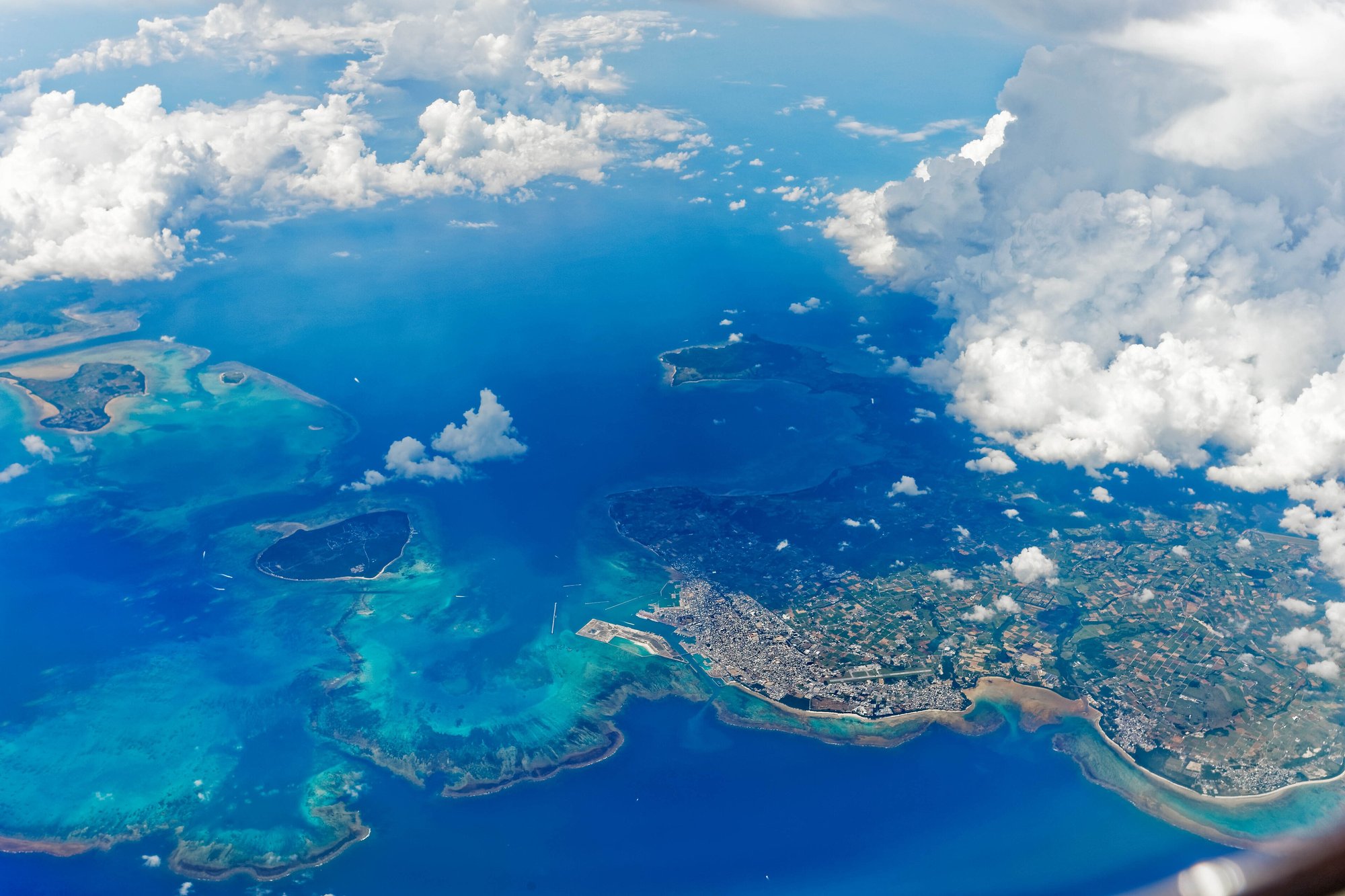
The Yaeyama Islands are Okinawa’s far southwestern frontier, closer to Taiwan than to the Main Island. Coral reefs, mangrove rivers, jungle-covered mountains, and villages of red-tiled houses make this the most varied island group in the prefecture, and Ishigaki’s ferry terminal makes it easy to hop between them.
Overview
The group lies about 410 km (255 mi) southwest of Okinawa Main Island. Ishigaki is the hub, with the airport, the main town, and ferries to the other islands. Iriomote, the second-largest island in Okinawa, is mostly jungle and part of a UNESCO World Natural Heritage site. Tiny Taketomi preserves a traditional Ryukyuan village.
Beyond these three are smaller islands such as Kohama, Kuroshima, and Hateruma, Japan’s southernmost inhabited island, as well as Yonaguni, the country’s westernmost point. Much of the area lies within the Iriomote-Ishigaki National Park.
Island Guides
Ishigaki
The hub of Yaeyama: Kabira Bay, manta rays, Ishigaki beef, lively town dining, and the ferry terminal for island hopping.
Iriomote
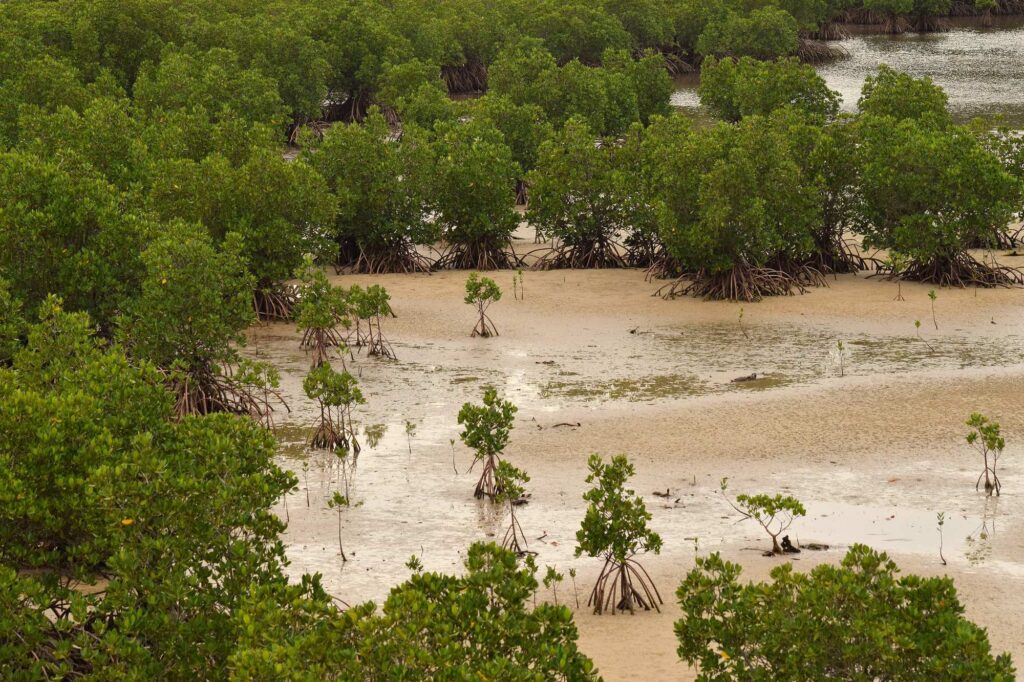
Mangrove kayaking, river cruises, jungle waterfalls, and the home of the rare Iriomote wildcat.
Taketomi
A tiny island of coral-stone walls, sandy lanes, water-buffalo carts, and the shallow turquoise water of Kondoi Beach.
Choosing Your Islands
On a first visit, most travelers base themselves on Ishigaki and take day trips. Pick Ishigaki for convenience, food, and marine tours; Iriomote for adventure and wildlife; and Taketomi for culture and a slower pace. With extra days, the smaller islands reward those who want empty beaches and a real sense of remoteness. Allow at least one spare day for weather, as ferries are the lifeline here and do get cancelled.
Best Time to Visit
Yaeyama is the warmest part of Okinawa. Summer highs are often around 31–32°C (88–90°F), and the sea is warm from roughly April to October. Typhoons are possible from about June to October and can disrupt ferries and flights. Winter is mild, with daytime temperatures typically around 21–23°C (70–73°F), but northerly winds can cancel some ferry routes, especially to Uehara on Iriomote. April to June and October to November are a good balance of warm weather and fewer crowds. See the best time to visit Okinawa.
Getting There
Fly to New Ishigaki Airport. There are frequent flights from Naha, taking around an hour, and direct flights from several mainland cities. There are no regular passenger ferries from Okinawa Main Island. Yonaguni and Hateruma have their own small airports or ferry links from Ishigaki. See getting to Okinawa.
Getting Around: Island Hopping
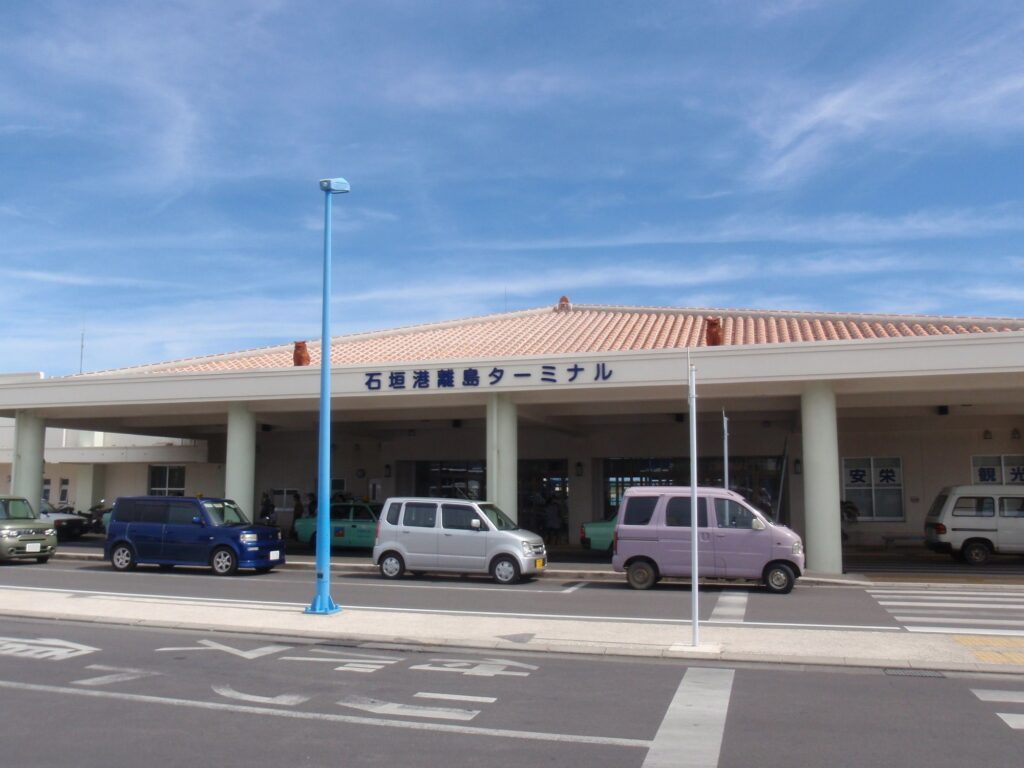
Ferries to the surrounding islands leave from the Ishigaki Port Rito (Remote Island) Terminal in the center of Ishigaki town, about 30 minutes from the airport by car or bus. Approximate travel times:
| From Ishigaki to | Approximate time |
|---|---|
| Taketomi | About 15 minutes |
| Iriomote (Ohara Port) | About 40–45 minutes |
| Iriomote (Uehara Port) | About 45–55 minutes |
| Kohama | About 25–30 minutes |
| Kuroshima | About 25–30 minutes |
| Hateruma | About 60–80 minutes (Anei Kanko only; often cancelled in rough seas) |
Several companies operate routes, and sailings are frequent to Taketomi. In rough weather, ferries are cancelled, and the Uehara route is often suspended in strong northerly winds from roughly October to March, with boats diverted to Ohara instead. Multi-island passes are available. On the islands, use rental cars on Ishigaki and Iriomote, and bicycles on Taketomi. See getting around Okinawa.
Top Things to Do in the Yaeyama Islands
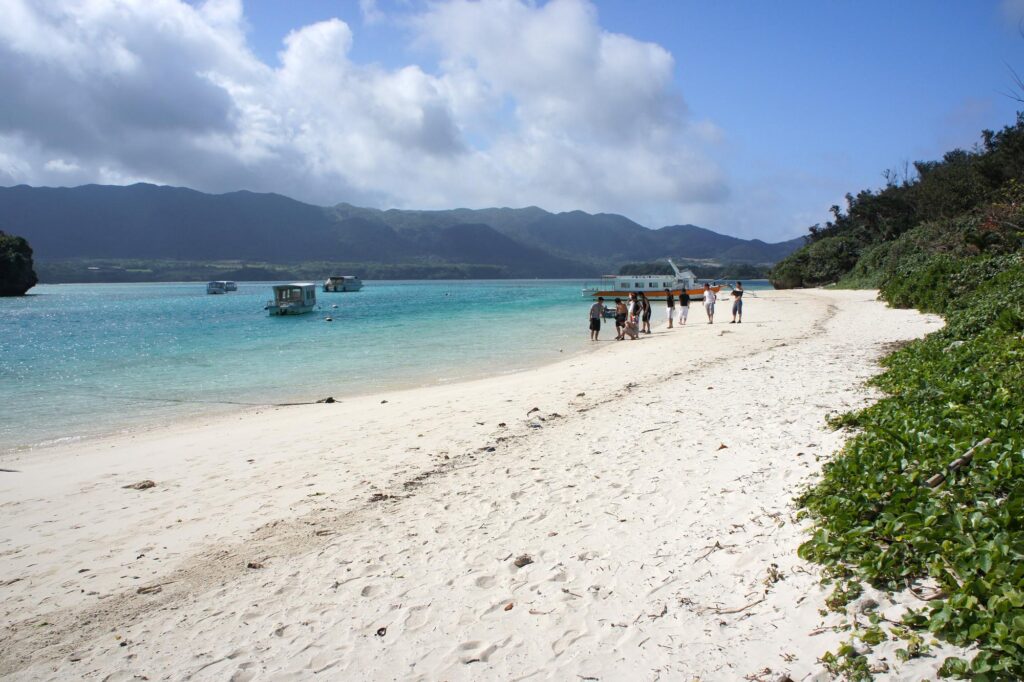
- Kabira Bay, Ishigaki: one of Japan’s most beautiful coastal views, with glass-bottom boat trips. See Ishigaki.
- Snorkel or dive with manta rays: Ishigaki is one of Japan’s best-known spots for mantas. See snorkeling and diving.
- Kayak the mangroves of Iriomote and hike to jungle waterfalls. See Iriomote.
- Cycle the sandy lanes of Taketomi and ride a water-buffalo cart. See Taketomi.
- Stargaze. The national park was designated an International Dark Sky Park in 2018, Japan’s first, and on clear, moonless nights the sky is spectacular.
- Relax on quiet islands such as Kohama and Kuroshima, which are easy day trips by ferry.
Culture and Traditions
Yaeyama has its own dialect, folk songs, and festivals, many tied to the harvest. Its traditional music is played on the sanshin and is known for its gentle, lyrical songs. Local textiles such as Minsa weaving make meaningful souvenirs. See music and performing arts and festivals and events.
The Smaller Islands
- Kohama: rolling sugarcane fields, viewpoints over the surrounding reefs, and a couple of large resorts. Easy to explore by rental scooter or car.
- Kuroshima: a flat, heart-shaped island known for cattle ranching, quiet beaches, and sea turtles. Perfect by bicycle.
- Hateruma: Japan’s southernmost inhabited island, famous for the dazzling Nishihama Beach and dark night skies. The crossing is on open sea and often rough.
- Yonaguni: Japan’s westernmost island, known for dramatic cliffs, native horses, and winter hammerhead shark diving. Most visitors fly.
Responsible Island Travel
The Yaeyama Islands are small communities with fragile reefs and forests. Use reef-safe sunscreen, never stand on coral, stay on marked trails, and book nature activities with licensed local guides. On Iriomote, drive slowly to protect the endangered Iriomote wildcat.
Where to Stay
- Ishigaki town: the best base for island hopping, with the most hotels, restaurants, and nightlife, close to the ferry terminal.
- Ishigaki’s coast (Kabira, Yonehara, Shiraho): resort hotels and guesthouses near beaches and reefs.
- Iriomote: resorts and guesthouses around Uehara and Ohara for nature-focused stays.
- Taketomi: traditional-style guesthouses and a small number of upscale stays for a quiet night after the day-trippers leave.
Where to Eat
Ishigaki town is the culinary center, known for Ishigaki beef, Yaeyama soba with its thin round noodles, and fresh seafood. Look for pipaatsu, a local island pepper, sprinkled on noodles. On Iriomote and Taketomi, choices are limited, and many places close early, so plan meals or ask your guesthouse. See our food and drink guide.
Sample 3-Day Yaeyama Plan
- Day 1, Ishigaki: Arrive and drive to Kabira Bay for a glass-bottom boat ride, then explore the north of the island. Dinner of Ishigaki beef in town.
- Day 2, Iriomote: Early ferry to Iriomote. Kayak through the mangroves and hike to a waterfall with a guide, or take an Urauchi River cruise. Stay overnight or return to Ishigaki.
- Day 3, Taketomi: Ferry to Taketomi. Cycle the village, swim at Kondoi Beach, and catch the sunset at Nishi Pier before the boat back.
Have more time? Add Kohama, Kuroshima, or Hateruma, and see our Okinawa itineraries for a 10-day plan that includes Yaeyama.
Frequently Asked Questions
How many days do I need in the Yaeyama Islands?
Four or five days is a good minimum for Ishigaki, Iriomote, and Taketomi, with time for weather delays. A week lets you add smaller islands.
Is Ishigaki or Iriomote better as a base?
Ishigaki is the most convenient, with the most ferries and amenities. Spend at least one night on Iriomote if you want to explore its nature in depth.
Do I need to book ferries?
For most routes you can buy tickets at the terminal, but booking tours that include transport is wise in peak season.
Can I visit Taiwan from Yaeyama?
A passenger ferry between Ishigaki and Keelung started in 2026 but was suspended from October 1, 2026. Check for updates before planning around it.