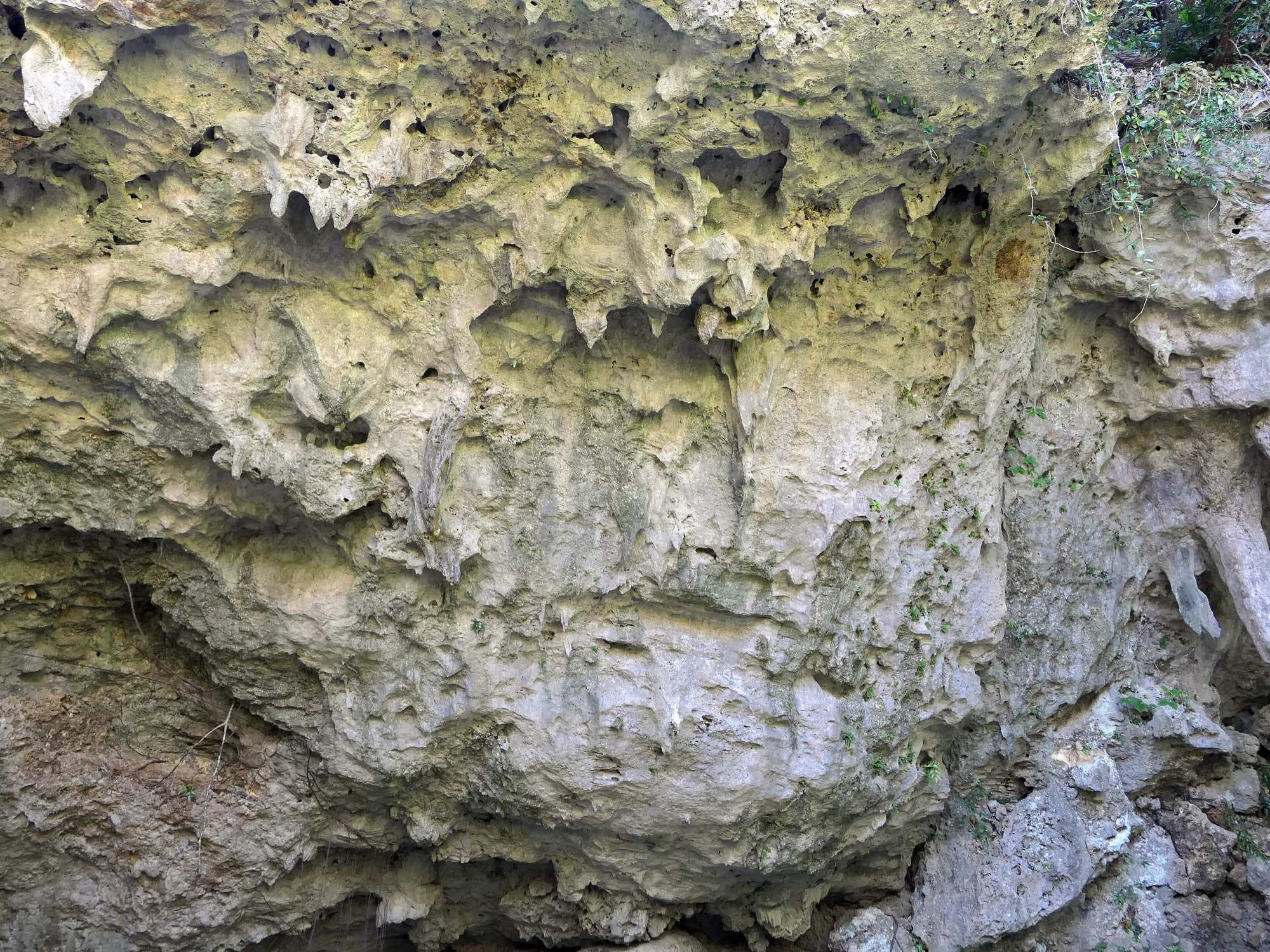
Southern Okinawa packs a lot into a small area just south and east of Naha. It’s where you’ll find the Ryukyu Kingdom’s most sacred site, the island said to be where the gods first descended, sea-view cafés on green clifftops, a huge limestone cave, and the most important memorials to the Battle of Okinawa.
Overview
The south covers the cities of Itoman, Tomigusuku, and Nanjo, plus the towns of Yaese and Yonabaru. It’s rural and relaxed despite being close to the airport, with sugarcane fields, small fishing ports, and quiet beaches.
It’s also a place of deep significance. The final, devastating months of the Battle of Okinawa in 1945 were fought here, and today the area is home to memorials and museums that every visitor should consider seeing. See WWII and the Battle of Okinawa.
Best Time to Visit
The south can be visited year-round. Spring and autumn are the most comfortable for walking around sacred sites and memorials, with daytime highs from the low 20s to around 28°C (low 70s to low 80s °F). In summer, temperatures often exceed 30°C (86°F), so visit outdoor sites early and save the cave and museums for midday. June 23 is Okinawa Memorial Day (Irei no Hi), when a memorial ceremony is held at Peace Memorial Park. See the best time to visit Okinawa.
Getting There
The south is close to Naha. From Naha Airport, Peace Memorial Park is about 20 km (12 mi), or around 45 minutes by car. Sefa-utaki is about 30 km (19 mi), or around 50 minutes. Buses run from Naha Bus Terminal to Itoman and Nanjo, but services can be infrequent, so check timetables. See getting to Okinawa.
Getting Around
A rental car is the easiest way to link the scattered sights. Many visitors combine the south with their first or last day, since the area is so close to the airport. Tours from Naha are another good option, especially for the war sites. For Kudaka Island, take the ferry from Azama Port in Nanjo; bicycles can be rented near the port on Kudaka. See getting around Okinawa.
Top Things to Do in Southern Okinawa
Peace Memorial Park
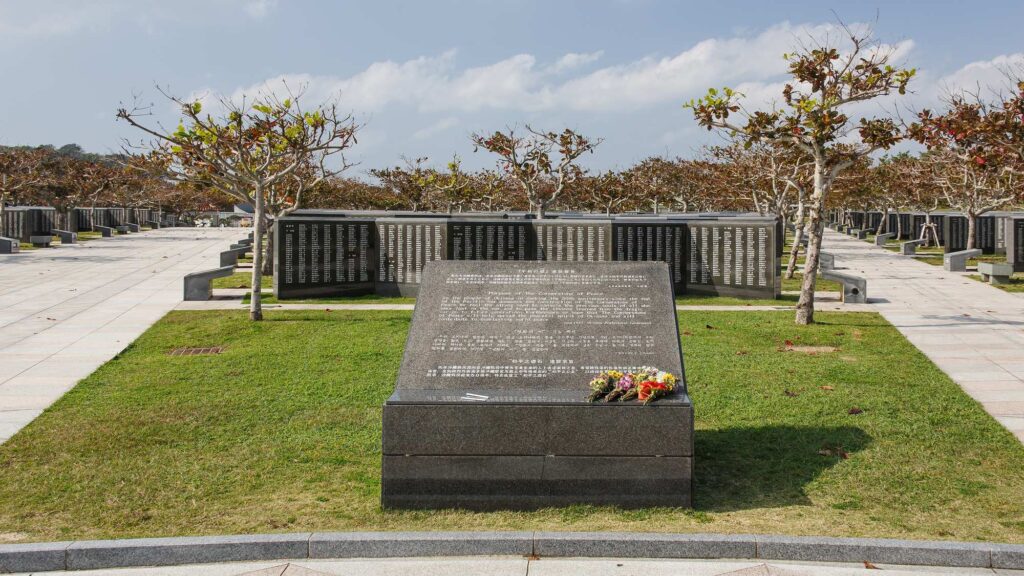
Set on the cliffs of Mabuni in Itoman, the park overlooks the sea where the battle ended. The Cornerstone of Peace lists the names of more than 240,000 people who died in the battle, regardless of nationality, military or civilian. The Okinawa Prefectural Peace Memorial Museum tells the story of the battle and its civilians.
Himeyuri Peace Museum and Navy Headquarters
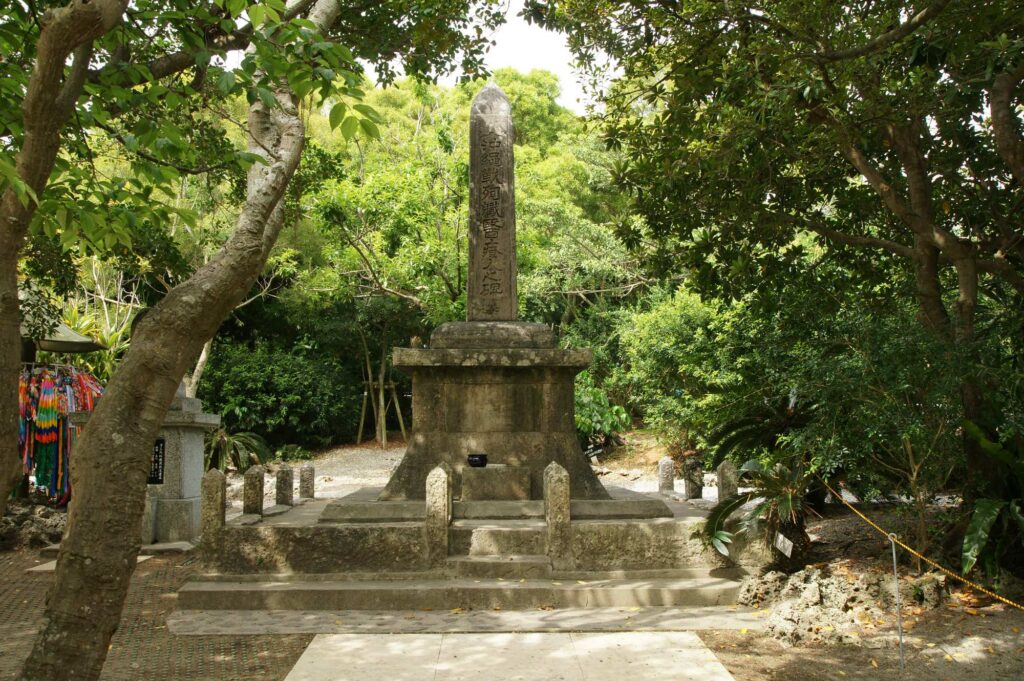
The Himeyuri Peace Museum remembers the students and teachers mobilized as nurses during the battle, and is one of the most moving places in Okinawa. Closer to Naha, the Former Japanese Navy Underground Headquarters in Tomigusuku preserves tunnels dug into a hillside.
Visiting the Memorials Respectfully
The war sites of southern Okinawa are places of mourning for many local families. Dress modestly, keep voices low, and ask before photographing people paying respects. Many museum exhibits include survivor testimony and graphic images, so consider whether they’re suitable for younger children. English signage and audio guides are available at the main museums, but taking a guided tour can add valuable context.
Sefa-utaki
The most sacred site of the Ryukyu Kingdom, Sefa-utaki is a UNESCO World Heritage site in Nanjo. Paths lead through forest to worship spaces among huge rocks, including a triangular gap that frames a view of Kudaka Island. Please treat it as a place of prayer. See Ryukyuan religion and spirituality.
Kudaka Island
Known as the “Island of the Gods,” Kudaka is a short ferry ride from Azama Port, with several sailings a day. Rent a bicycle and explore its quiet lanes, beaches, and the northern tip at Cape Kabeh. Some sacred places on the island are off-limits; respect all signs.
Okinawa World and Gyokusendo Cave
This theme park in Nanjo is built around Gyokusendo, a limestone cave about 5 km (3.1 mi) long, of which roughly 890 m (0.55 mi) is open to visitors. Above ground there are craft workshops, traditional houses, and Eisa performances. Nearby, Gangala Valley offers guided walks through a forest valley.
Scenic Coast and Islands
The Niraikanai Bridge curves down a hillside with wide ocean views. Chinen Cape Park is a grassy headland for sea-gazing, and tiny Ojima Island, linked by a short bridge, is famous for its fried-fish tempura stands. Close to the airport, Senaga Island has the Umikaji Terrace shopping area, with planes flying low overhead. For swimming, try Hyakuna Beach or Mibaru Beach, which offers glass-bottom boat trips. See the best beaches in Okinawa.
Cape Kyan and the South Coast
At Okinawa’s southern tip, Cape Kyan in Itoman is a quiet headland with a lighthouse, sheer cliffs, and wide views over the Pacific. It’s another place linked to the end of the battle, when many civilians died along this coast. The surrounding countryside of sugarcane and farmland is pleasant for a slow drive.
Where to Stay
- Nanjo: sea-view guesthouses, vacation rentals, and a few resorts near Sefa-utaki and the coast.
- Itoman: beach hotels and local accommodation close to the airport.
- Tomigusuku and Senaga Island: handy for first or last nights near the airport.
- Kudaka Island: a few simple guesthouses for a peaceful overnight stay.
Many people simply day-trip from Naha. See where to stay in Okinawa.
Combining the South with Arrival or Departure
Because the south is so close to Naha Airport, it slots neatly into the first or last day of a trip. On arrival, pick up your rental car and head straight to Senaga Island or the Navy Headquarters before checking in. On your last day, visit Sefa-utaki or Peace Memorial Park in the morning and still reach the airport in good time, leaving a buffer for traffic around Naha.
Where to Eat
The south is known for its cafés with ocean views, many set in converted homes on the hills above the coast. Itoman has a long fishing tradition, and its fish market is a good place for fresh seafood. Don’t miss fish tempura on Ojima Island, and look for local Okinawa soba shops in the villages. See our food and drink guide.
Sample 2-Day Southern Okinawa Plan
Day 1: History and remembrance
- Morning: Former Japanese Navy Underground Headquarters.
- Midday: Himeyuri Peace Museum, then lunch in Itoman.
- Afternoon: Peace Memorial Park and the Prefectural Peace Memorial Museum.
- Evening: Sunset at Senaga Island, then return to Naha.
Day 2: Sacred sites and sea views
- Morning: Sefa-utaki, arriving early for a quieter visit.
- Midday: Ferry from Azama Port to Kudaka Island; cycle the island.
- Afternoon: Return, then a café with a view and the Niraikanai Bridge, or Okinawa World and Gyokusendo.
- Evening: Tempura on Ojima Island before heading back.
See our Okinawa itineraries for longer plans, or head north to central Okinawa.
Frequently Asked Questions
Can I see southern Okinawa without a car?
Yes, with tours or buses from Naha, but a car makes it much easier to combine several sights in one day.
How long does it take to visit the war memorials?
Allow at least half a day for Peace Memorial Park and the Himeyuri Peace Museum together.
Is Kudaka Island worth a visit?
Yes, for its quiet atmosphere and spiritual importance. Allow at least half a day including the ferry.
Is Gyokusendo cave suitable for children?
Generally yes. The walkway is paved, but it’s damp and has some steps, so wear shoes with good grip.