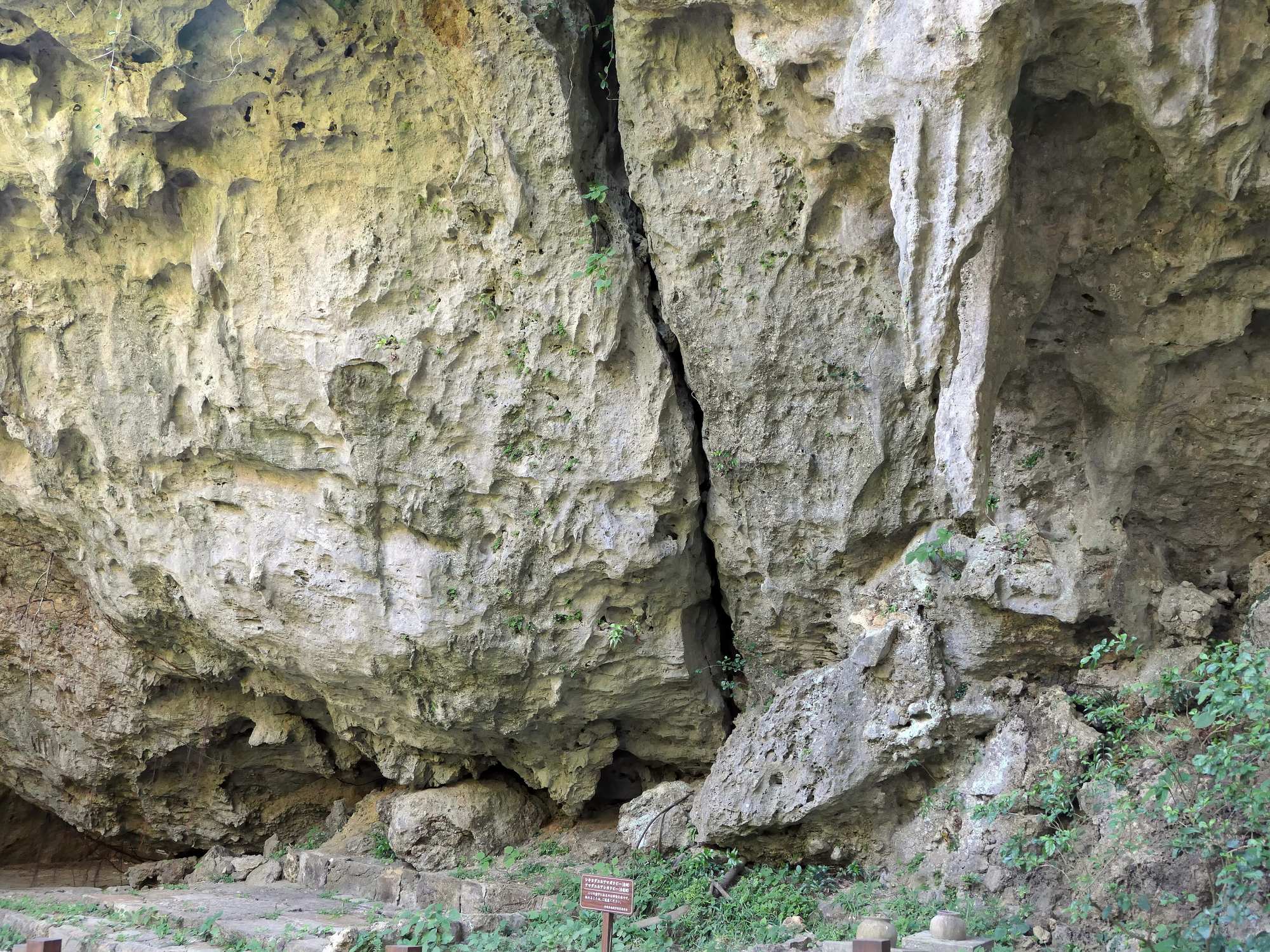
Spend a few days in Okinawa and you will start to notice it: small stone shrines tucked into forest edges, incense burners on kitchen shelves, lion-like shisa on rooftops, and large family tombs on hillsides. These are everyday signs of Ryukyuan religion, the indigenous spiritual tradition of the Ryukyu Islands.
Okinawan religion is not a single organized faith with scriptures or a central institution. It is a living set of beliefs and practices centered on ancestors, nature, the household, and the community. This guide explains its key ideas and places, and how to visit them respectfully.
What Is Ryukyuan Religion?
Ryukyuan religion grew up in the islands long before the Ryukyu Kingdom unified Okinawa in the 15th century. It is often described as animistic: spiritual power is believed to dwell in nature, especially in groves, springs, rocks, caves, and the sea. It shares some roots with early Japanese belief and absorbed influences from China, such as feng shui and the lunar calendar, but it developed its own distinct character.
Three features stand out:
- Ancestors are central. Family ancestors are honored at home and at the family tomb, and are believed to watch over the living.
- Women lead religious life. Priestesses and spiritual practitioners have traditionally been women, a striking contrast with many other religions.
- Ritual follows the lunar calendar. Many household and community rites take place on lunar dates, especially the 1st and 15th of each lunar month.
Many Okinawans combine these traditions with Buddhist funerals, Shinto shrine visits, or Christianity, without seeing any contradiction.
Ancestor Veneration
The heart of Okinawan spirituality is respect for ancestors. In many homes, an ancestral altar called a butsudan holds wooden memorial tablets (totome) bearing the names of deceased family members. Family members offer incense, food, tea, and prayers, particularly on the 1st and 15th of the lunar month and on special occasions.
Ancestors are believed to remain part of the family, offering protection and guidance. Neglecting them, or breaking the customs connected to them, is traditionally seen as a possible cause of family misfortune. Responsibility for the altar has customarily passed down the male line, a practice that is changing in modern Okinawa.
Utaki: Sacred Groves
An utaki is a sacred site, usually a grove of trees, a rock formation, or a clearing where the gods are believed to descend or reside. Utaki are found throughout the islands, from tiny village shrines marked by a single incense burner to major sites of the old kingdom. Traditionally there are no statues or images of the gods; the place itself is sacred.
Sefa-utaki
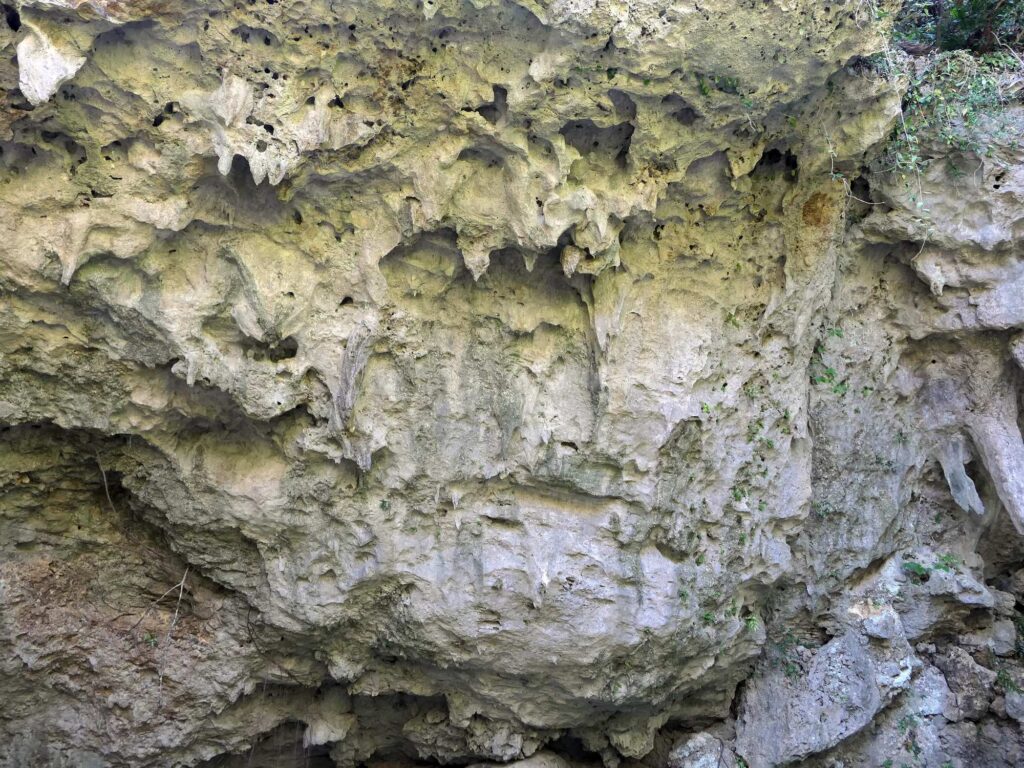
Sefa-utaki in Nanjo City, in the south of the Main Island, is the most sacred site of the former Ryukyu Kingdom. Its most famous spot, Sangui, is a triangular passage formed by two leaning rocks, with a view toward Kudaka Island. Sefa-utaki was where the kingdom’s chief priestess, the Kikoe-ogimi, held her inauguration ceremony.
Sefa-utaki is part of the UNESCO World Heritage listing “Gusuku Sites and Related Properties of the Kingdom of Ryukyu,” registered in 2000, along with the Sonohyan-utaki stone gate at Shuri Castle. It closes for a few days twice a year according to the lunar calendar, and parts of the site may be restricted for conservation work, so check the official website before your visit.
Kudaka Island
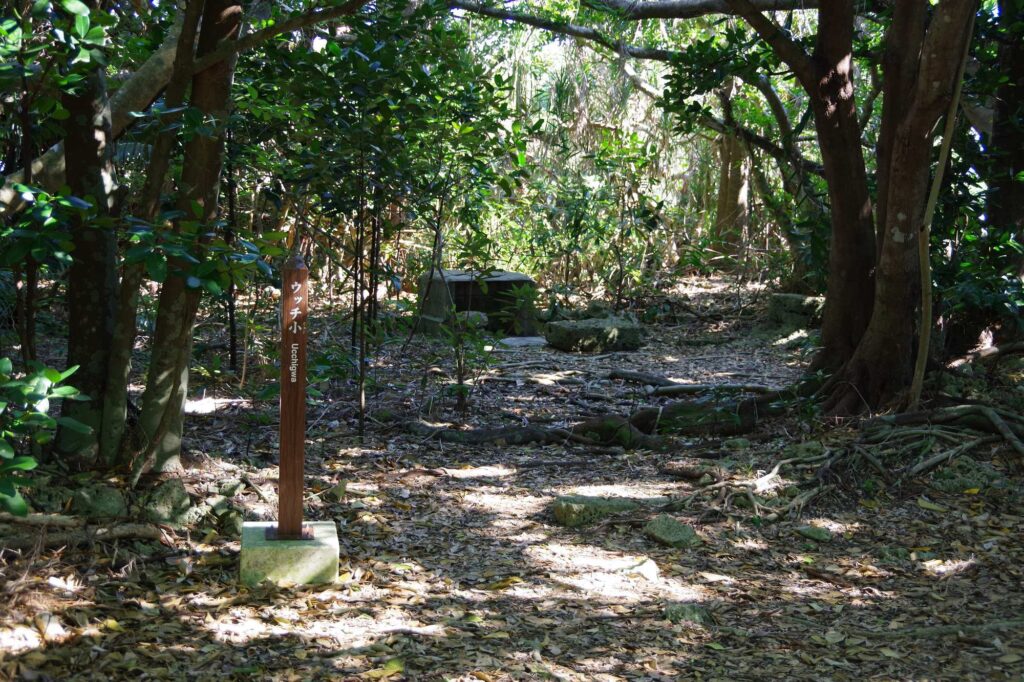
Just off the coast from Sefa-utaki, Kudaka Island is known as the “island of the gods.” In Ryukyuan myth it is linked to Amamikyu, the creator goddess who is said to have brought the islands into being. Some sacred areas on Kudaka are off-limits to visitors, and taking stones, sand, or plants from the island is strongly discouraged.
Noro Priestesses and Kaminchu
Community rituals in Okinawa were traditionally led by women known as kaminchu (“people of the gods”). Among them, the noro were village priestesses. Under the Ryukyu Kingdom, the role was formalized into a hierarchy headed by the Kikoe-ogimi, usually a close female relative of the king. Noro performed rites for harvests, fishing, and the wellbeing of the village, often at utaki.
This reflects a deeper belief, sometimes called onarigami, that sisters hold spiritual power to protect their brothers. Today, the formal noro system has largely faded, but community rituals continue in some villages and islands, often led by local women who inherited the role.
Yuta: Spiritual Mediums
Yuta are spiritual practitioners, most often women, who are believed to communicate with ancestors and spirits. Unlike noro, who held an official community role, yuta work privately with individuals and families. People may consult a yuta about illness, family troubles, dreams, choosing a house site, tomb matters, or which ritual to perform for an ancestor.
Many yuta describe a period of illness or hardship, sometimes called kamidari, before accepting their calling. Yuta were at times discouraged or suppressed by authorities, but they remain a part of Okinawan life. Consultations are a private, personal matter, not a tourist attraction.
Hinukan: The Hearth Deity
In many Okinawan homes, the kitchen holds a small shrine to Hinukan, the deity of the hearth and fire. In the past, the hearth was represented by three stones; today it is usually a small incense burner with offerings of water, salt, and rice, often accompanied by green leaves.
Hinukan is believed to watch over the household and to carry the family’s prayers to the heavens. Prayers to Hinukan are traditionally offered by the senior woman of the house, often on the 1st and 15th of the lunar month and before other important rituals.
Shisa and Other Protective Charms
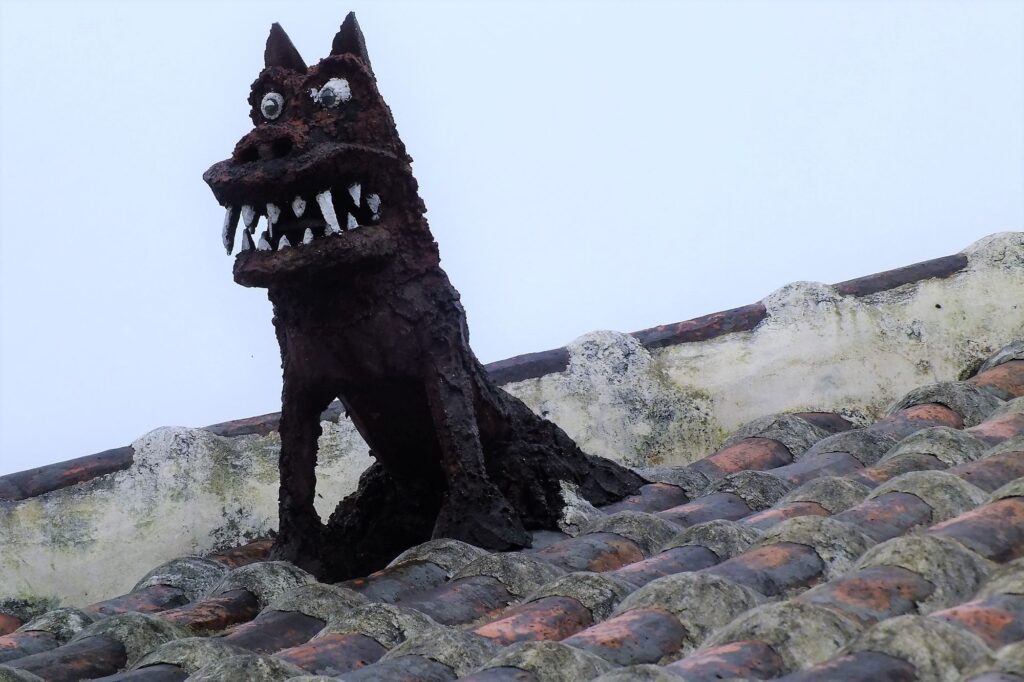
Shisa, the lion-dog figures you see on roofs and beside gates, are Okinawa’s best-known guardians. They are often placed in pairs, one with an open mouth and one with a closed mouth. Interpretations vary: some say the open-mouthed shisa scares away evil while the closed-mouthed one keeps good fortune in.
Look out for other protective features too:
- Ishiganto: small stone tablets placed at T-junctions and road ends. Evil spirits (majimun) are said to travel in straight lines, and the stone stops them from entering homes.
- Hinpun: a screen wall just inside the gate of traditional houses, which blocks spirits and gives privacy.
- Sangwa: knotted grass charms placed on food or offerings for protection.
Nirai Kanai: The Land Beyond the Sea
Nirai Kanai is a paradise believed to lie far across the sea, often toward the east. It is described as the source of life, abundance, and the gods, who visit the islands at certain times to bring blessings and good harvests. In some traditions, it is also where the souls of the dead go.
This belief helps explain why so many sacred sites face the sea, and why rituals of welcoming and sending off the gods appear in festivals across the islands.
Tombs and Turtleback Tombs
Okinawan family tombs are large, solid structures, quite unlike the small gravestones of mainland Japan. The most distinctive is the turtleback tomb (kamekobaka), with a rounded roof that is often said to resemble a womb, symbolizing a return to where life began. Gable-roofed house-style tombs are also common.
Historically, remains were left to decay inside the tomb and then washed and placed in an urn in a ritual called senkotsu. Cremation is now standard, but the tombs remain the center of family remembrance. Tombs are private family property: do not enter, climb, sit on, or picnic beside them.
Shimi (Seimei-sai): Tomb Festival
Shimi, known in Japanese as Seimei-sai, takes place in spring during the Qingming period, usually in April. Extended families gather at their tombs to clean them, offer food and incense, burn paper money (uchikabi) for the ancestors, and then share a meal together at the tomb. It is part reunion, part remembrance, and a lively family occasion.
Obon and Eisa
Obon in Okinawa follows the lunar calendar, usually landing in August or early September. Over three days, families welcome the ancestors home (Unke), host them with food and gatherings, and send them back on the final night (Ukui).
Eisa is the dance that accompanies Obon. Groups of young dancers with drums and sanshin music parade through neighborhoods to honor and send off the ancestral spirits. Today, Eisa is also performed at festivals across Okinawa, and the Okinawa Zento Eisa Festival in Okinawa City is one of the biggest showcases.
Visitor Etiquette at Sacred Sites
Utaki and other sacred places are active sites of prayer, not just scenic spots. A little care goes a long way:
- Keep your voice low and walk calmly.
- Do not enter roped-off or marked areas, even if no one is around.
- Do not touch, move, or place things on incense burners, stones, or offerings.
- Never take stones, sand, coral, shells, or plants from a sacred site.
- If someone is praying, wait quietly and do not photograph them.
- Dress modestly and wear sturdy shoes; paths can be slippery.
- Follow posted rules on drones, smoking, and photography.
- Leave family tombs and household altars undisturbed unless you are invited.
Frequently Asked Questions
What religion do people in Okinawa follow?
Many Okinawans follow indigenous Ryukyuan religious practices, especially ancestor veneration and household rituals, often alongside Buddhist or Shinto customs. Christianity is also present. Most people do not see these traditions as exclusive.
Is Ryukyuan religion the same as Shinto?
No. They share some ancient roots, such as the reverence for nature and sacred places, but Ryukyuan religion developed independently. It has no shrine buildings or images in its traditional sacred sites, and women hold the central religious roles.
What is an utaki?
An utaki is a sacred site, usually a grove, rock, or spring, where gods are believed to dwell or descend. Sefa-utaki in Nanjo City is the most important one and part of a UNESCO World Heritage listing.
What is the difference between a noro and a yuta?
A noro is a community priestess who traditionally led public rituals for a village, under a hierarchy set by the Ryukyu Kingdom. A yuta is a private spiritual medium consulted by individuals and families.
Can tourists visit Sefa-utaki?
Yes. It is open to visitors, with admission charged. It closes on a few lunar-calendar days each year, and some areas may be restricted for conservation, so check the official site before going.
Why do Okinawan houses have shisa?
Shisa are guardian figures believed to ward off evil spirits and protect the home. They are usually placed on rooftops or at gates, often in pairs.
Can I watch Eisa as a visitor?
Yes. Neighborhood Eisa parades happen around Obon, and Eisa is performed at many festivals and events throughout the year. Watching is welcome, though some parades are local, community-run events.
Understanding Ryukyuan religion adds a rich layer to any trip. Once you know what to look for, you will see the islands’ spiritual life everywhere, from the kitchen hearth to the edge of the sea.