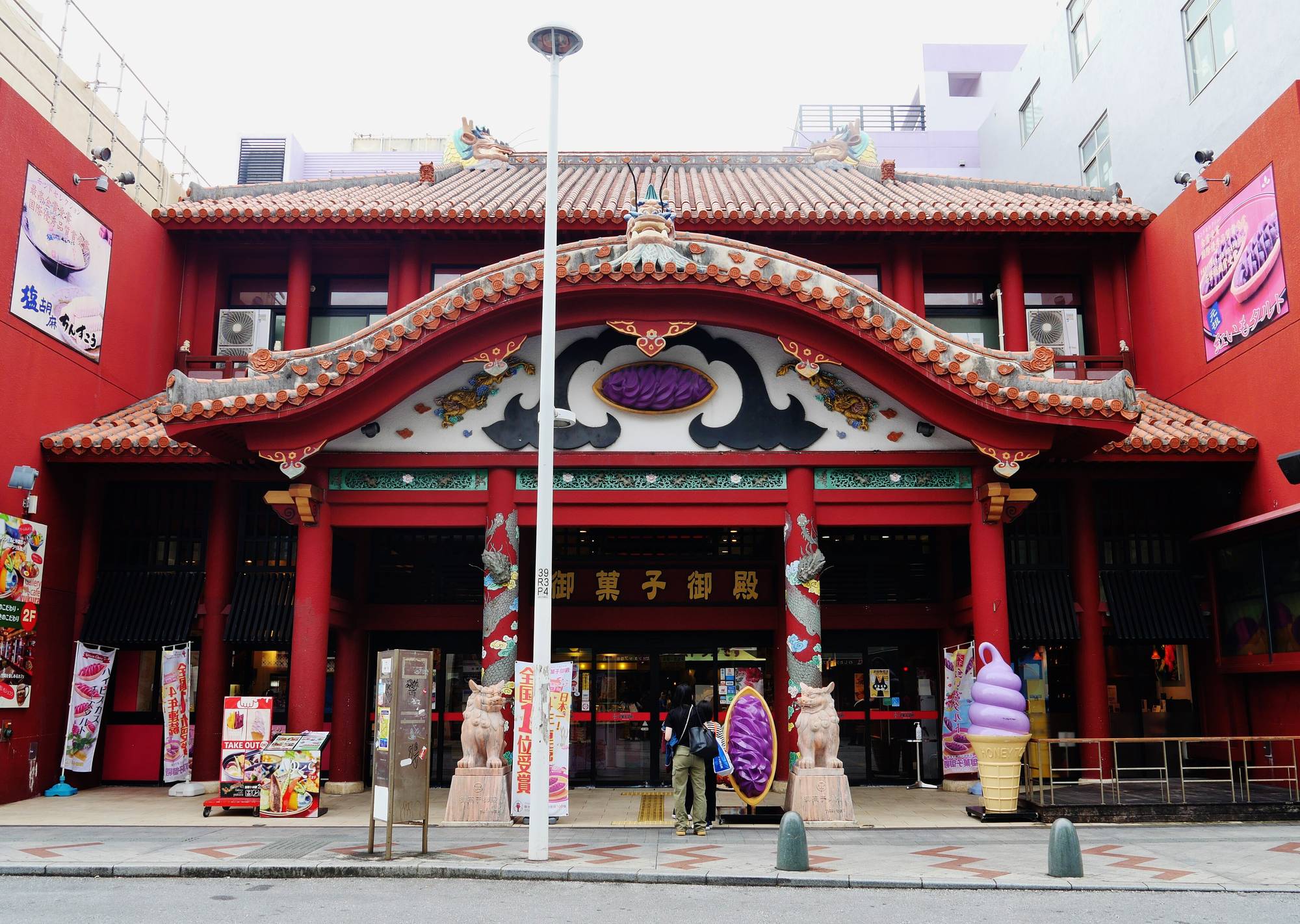
Naha is Okinawa’s capital and the place almost every trip begins. It’s a compact, lively city with a subtropical feel: palm-lined streets, covered market arcades, stone-walled lanes in Shuri, and some of the best eating in the prefecture. This Naha travel guide covers what to see, how to get around, and where to base yourself.
Overview
Naha sits on the southwest coast of the Main Island, just minutes from Naha Airport. The city center around Kokusai Street is busy with shops, restaurants, and bars, while the hilltop district of Shuri, the old royal capital, is calmer and steeped in history.
Naha is the easiest part of Okinawa to explore without a car, thanks to the Yui Rail monorail. It also makes a great base for day trips to the south, to central Okinawa, and by ferry to the Kerama Islands.
Best Time to Visit
Naha is a year-round destination. Spring (March to May) and autumn (October to November) are warm and comfortable for walking, with typical daytime highs from the low 20s to around 28°C (low 70s to low 80s °F). Summer is hot and humid, often above 30°C (86°F), so plan indoor stops for the middle of the day. Winter is mild but can be windy and cloudy.
Festivals are a bonus: the Naha Hari dragon boat races take place around early May, and the giant rope of the Naha Tug-of-War is pulled in October. See festivals and events and the best time to visit Okinawa.
Getting There
Naha Airport is Okinawa’s main gateway, with flights from across Japan and from several Asian cities. The monorail connects the airport to the city center in around 15 minutes, and taxis and buses are available too. Ferries to the Kerama Islands leave from Tomari Port, a short walk from Miebashi Station. See getting to Okinawa.
Getting Around
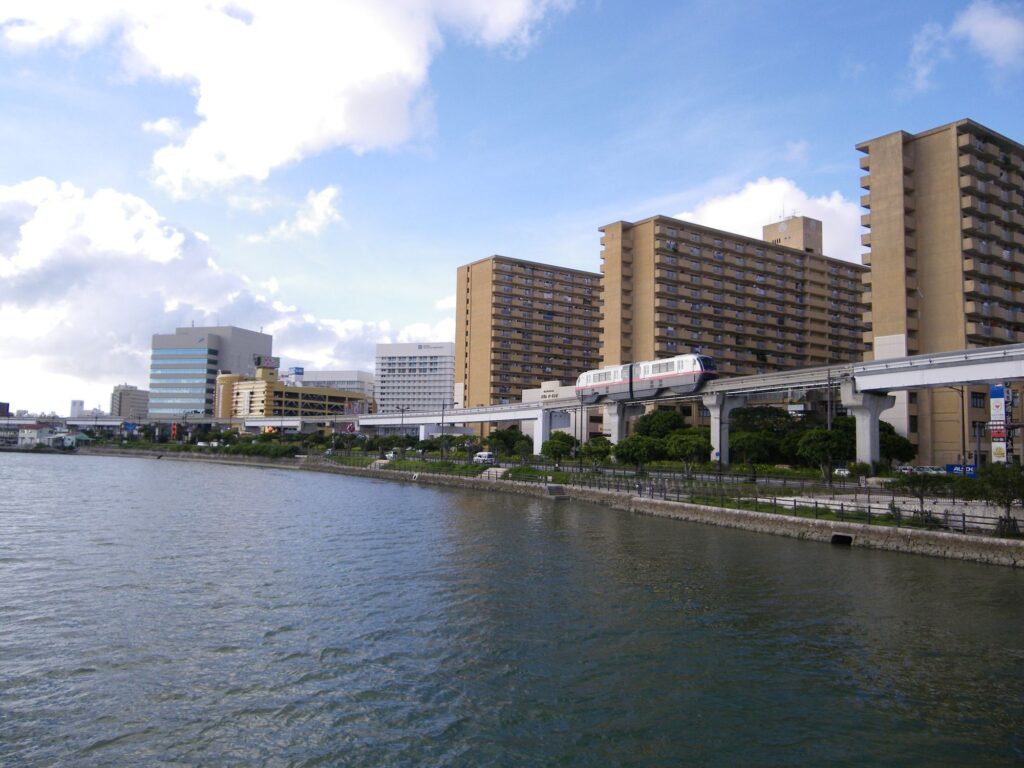
- Yui Rail monorail: runs from Naha Airport through the city center and Shuri to Tedako-Uranishi in Urasoe. Key stops include Kencho-mae and Makishi for Kokusai Street, Omoromachi for shopping and the museum, and Shuri for the castle. Day passes are available.
- On foot: the center is walkable, and Kokusai Street is about 1.6 km (1 mi) long.
- Buses and taxis: handy for places away from the monorail, like Naminoue Beach or Shikinaen.
- Rental car: not needed in the city, where traffic and parking can be a hassle. Pick one up when you leave Naha.
More detail on passes and IC cards is in getting around Okinawa.
Top Things to Do in Naha
Kokusai Street
Naha’s main street is lined with souvenir shops, restaurants, and live-music bars. Side arcades such as Ichiba Hondori and Heiwa Dori lead into a maze of covered market streets that are fun to wander, especially on a hot or rainy day.
Makishi Public Market
Known as “Okinawa’s kitchen,” this market was rebuilt and reopened in 2023. Downstairs you’ll find colorful fish, pork, and local produce; upstairs, restaurants will cook the seafood you buy for a fee. It’s a classic Naha experience.
Shuri Castle and Shuri
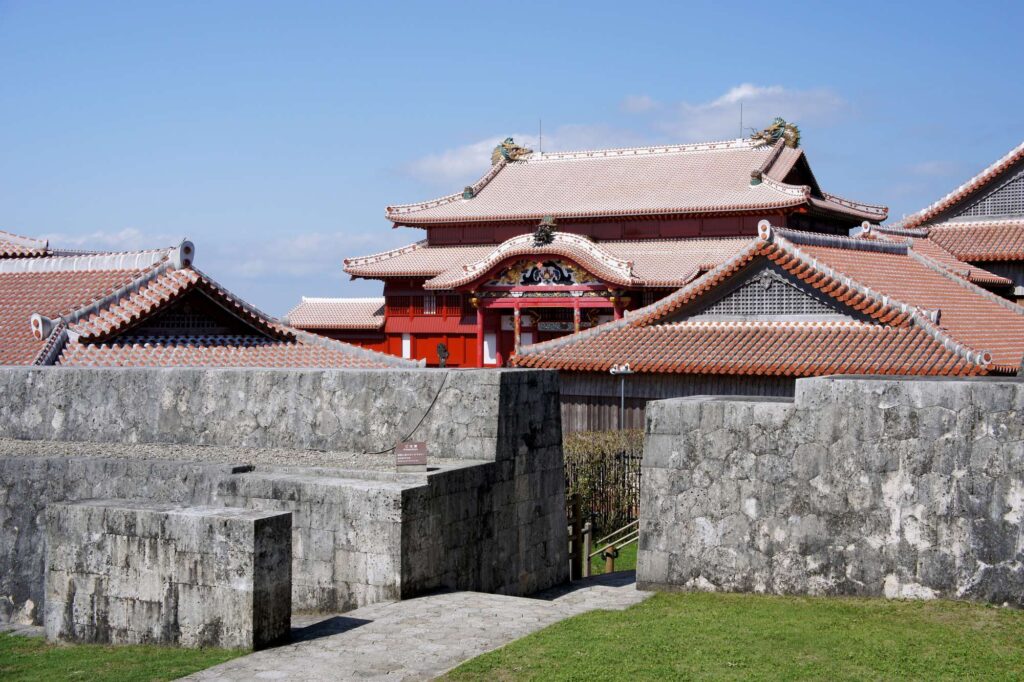
The former palace of the Ryukyu Kings is a UNESCO World Heritage site. Its main hall burned in 2019 and has been faithfully rebuilt; it opens to the public on November 23, 2026. Seeing the inside of the main hall requires a timed advance reservation (30-minute slots) through the official Shuri Castle Park website, while the rest of the grounds can be visited without booking. Nearby, walk the stone-paved Kinjo-cho Ishidatami-michi, visit the royal tomb of Tamaudun, and stop at the Shikinaen royal garden a short ride away. See castles and historic sites.
Tsuboya Pottery Street
A short walk from Kokusai Street, the Tsuboya Yachimun Street has been a pottery district for centuries. Browse workshops and shops for shisa lion-dogs, cups, and plates, and visit the small pottery museum to learn about Okinawan ceramics.
Naminoue Beach and Shrine
Naha’s city beach sits beneath a cliff topped by Naminoue-gu, the most important Shinto shrine in Okinawa. The beach is small and framed by an overpass, but it’s handy for a quick swim. For better beaches, see the best beaches in Okinawa.
Museums and Culture
The Okinawa Prefectural Museum & Art Museum in Omoromachi gives an excellent overview of Okinawan history, nature, and art. For live Okinawan music and the sanshin, look for folk-song (min’yo) bars in the center. See music and performing arts.
Gardens and Day Trips
The Chinese-style Fukushuen garden is a peaceful spot in the city center. From Naha, it’s easy to day-trip to the war memorials and sacred sites of southern Okinawa, the shopping and sunsets of central Okinawa, or the beaches of the Kerama Islands.
Shopping and Souvenirs
Kokusai Street and the nearby arcades are the place to pick up Okinawan souvenirs: chinsuko shortbread, brown-sugar sweets, awamori, Ryukyu glass, bingata dyed textiles, and Tsuboya pottery. For a mall experience, head to the shopping centers around Omoromachi, where you’ll also find supermarkets that are good for snacks and local ingredients to take home.
Where to Stay
- Kokusai Street and Makishi: the liveliest area, with restaurants and nightlife on your doorstep.
- Kencho-mae and Asahibashi: central, close to the monorail and the bus terminal, and slightly calmer.
- Omoromachi: a modern district with shopping malls, the museum, and larger hotels.
- Tomari and Miebashi: convenient for early ferries to the Kerama Islands.
- Shuri: quiet and historic, with a more residential feel.
Compare these with other areas in where to stay in Okinawa.
Where to Eat
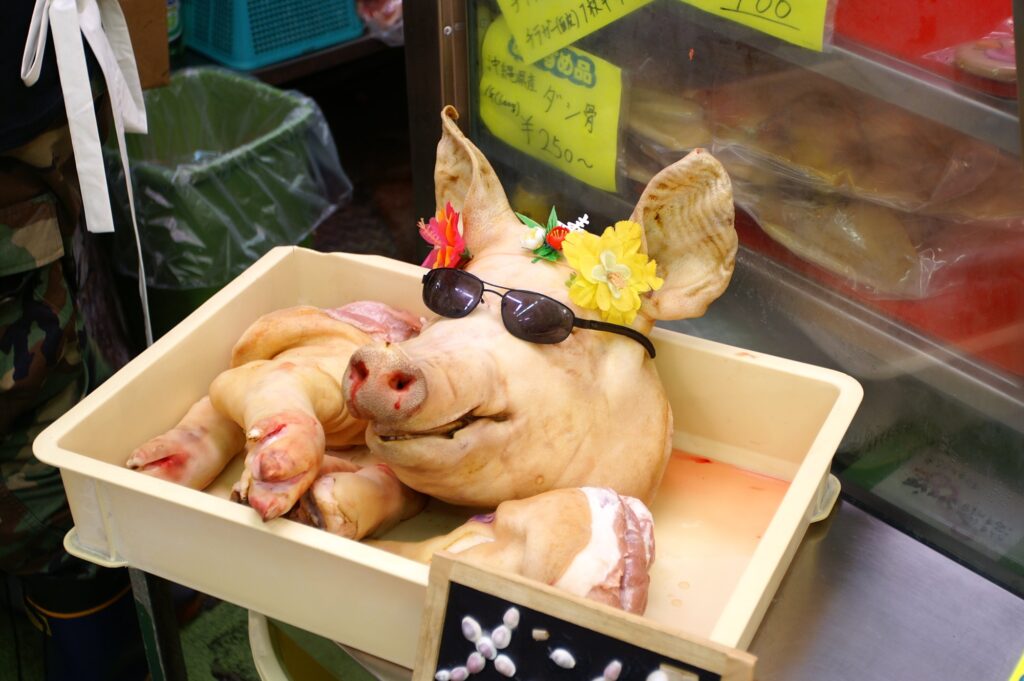
Naha has the widest choice of food in Okinawa. Try Okinawa soba at a local noodle shop, goya champuru and other home-style dishes at a casual shokudo, and fresh seafood at Makishi Public Market. In the evening, izakaya pubs serve Orion beer and awamori alongside small plates, and the area around Sakaemachi Market is known for tiny, atmospheric bars.
Learn what to order in our Okinawan food and drink guide.
Sample 2-Day Naha Plan
Day 1: City center
- Morning: Walk Kokusai Street before the crowds, then explore the market arcades.
- Lunch: Makishi Public Market, choosing seafood downstairs to have cooked upstairs.
- Afternoon: Tsuboya pottery street, then Fukushuen garden.
- Evening: Sunset at Naminoue, followed by dinner and a min’yo music bar.
Day 2: Shuri and museums
- Morning: Monorail to Shuri. Visit Shuri Castle Park and walk the Kinjo-cho stone lane.
- Lunch: Okinawa soba in Shuri.
- Afternoon: Tamaudun, then the Okinawa Prefectural Museum & Art Museum in Omoromachi.
- Evening: Izakaya dinner in the center.
Have more time? Add a ferry day trip to the Kerama Islands or a drive south. See our Okinawa itineraries.
Frequently Asked Questions
How many days do I need in Naha?
Two days covers the main sights. Many visitors use Naha as a base for a few more days of day trips.
Do I need a car in Naha?
No. The monorail, buses, taxis, and walking are enough in the city. Rent a car when you’re ready to explore the rest of the island.
Is Shuri Castle open?
Yes. The rebuilt main hall opens to the public on November 23, 2026. To see the interior you need a timed advance reservation from the official Shuri Castle Park website; the rest of the paid area needs no booking. Check the site for hours and any closures.
Is Naha good for beaches?
Naha has a small city beach at Naminoue, but the best beaches are a drive or ferry ride away, in central and northern Okinawa or the Kerama Islands.
Is Naha safe at night?
Naha is generally very safe. Use normal city caution, and remember that drink-driving laws in Japan are strict.