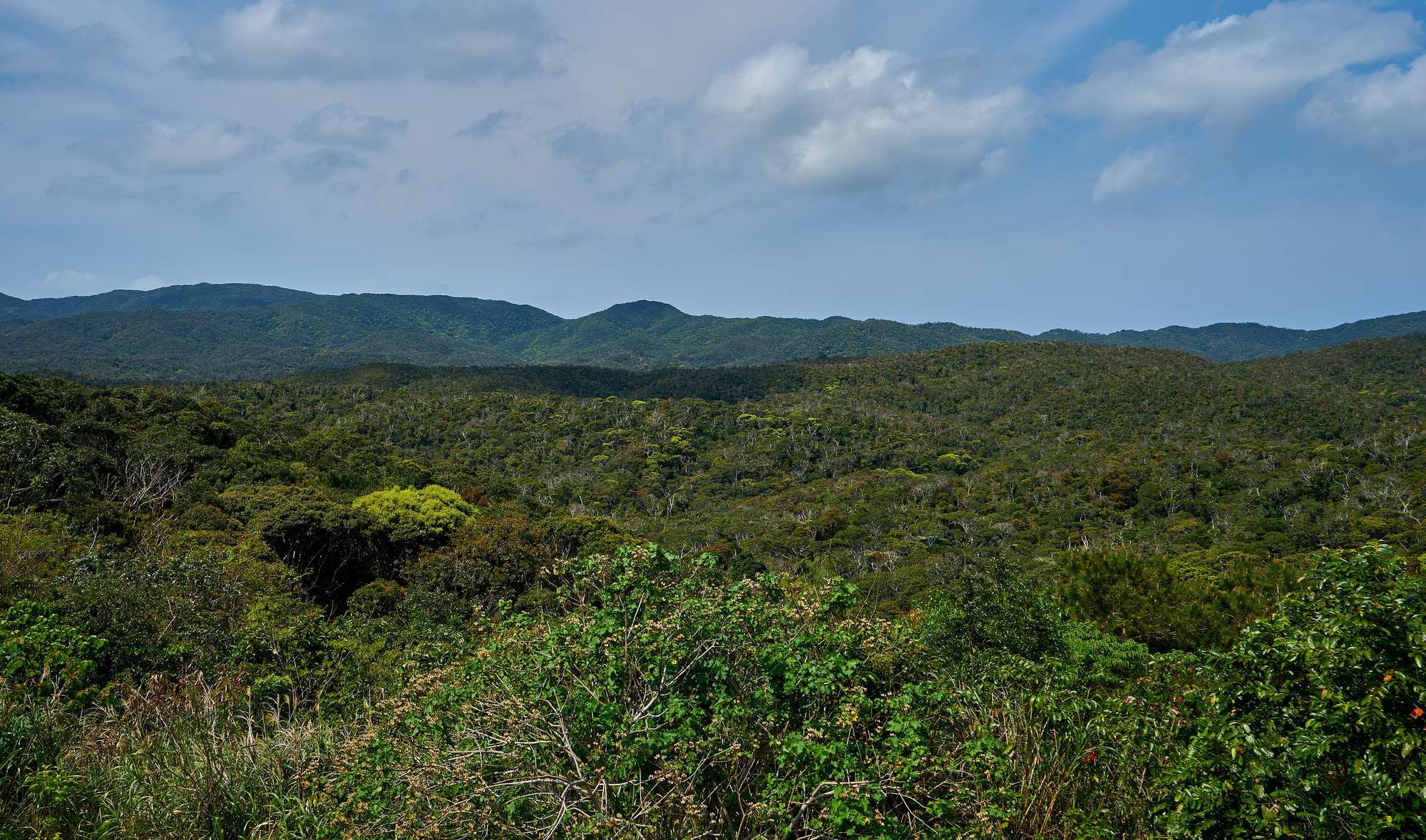
Northern Okinawa is the Main Island at its most natural. The Motobu Peninsula offers the famous Churaumi Aquarium, island bridges, and turquoise beaches, while the far north, known as Yanbaru, is a region of forested mountains, waterfalls, and wild coastline, protected as a national park and a UNESCO World Natural Heritage area.
Overview
The north begins around Nago, the region’s main city. To the west, the Motobu Peninsula is home to the Okinawa Churaumi Aquarium, Nakijin Castle, and bridges to Sesoko and Kouri islands. North of that, towns become small villages and the road follows a rugged coast to Cape Hedo, the island’s northern tip.
Yanbaru, meaning roughly “mountains and forests,” covers the villages of Kunigami, Ogimi, and Higashi. In 2021 it was inscribed as a UNESCO World Natural Heritage site together with Iriomote and two islands in Kagoshima. It’s home to rare species found nowhere else, including the flightless Okinawa rail (yanbaru kuina).
Best Time to Visit
The north is pleasant year-round. Summer (July to September) is ideal for beaches and river trips but hot, often above 30°C (86°F). Okinawa’s cherry blossoms bloom first here, from around late January to February, with festivals at Nakijin Castle, Mount Yaedake in Motobu, and Nago. Cooler months, with daytime highs around 19–21°C (66–70°F), are the most comfortable for hiking. See the best time to visit Okinawa.
Getting There
From Naha Airport, the Okinawa Churaumi Aquarium is about 96 km (60 mi) away, or roughly 2 hours by car using the Okinawa Expressway. The Kouri Bridge is about 85 km (53 mi), or about 1.5 hours. Cape Hedo is about 120 km (75 mi), or around 2.5 hours. Express and limousine buses run from Naha and the airport to Nago and the Motobu Peninsula, but they’re slow compared with driving. See getting to Okinawa.
Getting Around
A rental car is essential for exploring the north properly. Local buses run around the Motobu Peninsula, but services to Yanbaru are infrequent. Roads are quiet and scenic, but gas stations and convenience stores thin out north of Ogimi, so fill up before heading to Cape Hedo. Watch your speed in Yanbaru: signs warn drivers to look out for the endangered Okinawa rail crossing the road. See getting around Okinawa.
Top Things to Do in Northern Okinawa
Okinawa Churaumi Aquarium
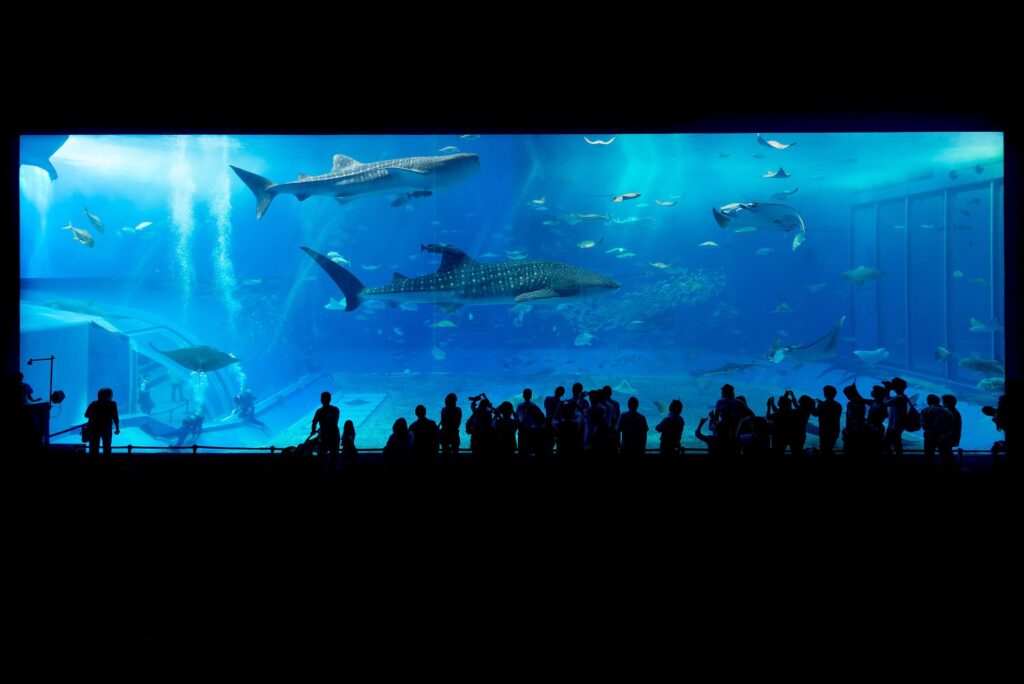
One of Japan’s best-known aquariums, it sits inside Ocean Expo Park in Motobu. Its huge Kuroshio Sea tank holds whale sharks and manta rays. Outside, the park has dolphin shows, a tropical garden, and the white sand of Emerald Beach. Arrive early to beat the crowds.
Bise Fukugi Tree Road
A short walk from the aquarium, the village of Bise is crisscrossed by sandy lanes shaded by old fukugi trees, planted to protect homes from typhoons. Walk or rent a bicycle and continue to the beach at the end.
Nakijin Castle
This UNESCO-listed castle ruin has long, winding stone walls that follow the shape of the hillside, with views to the sea. It’s especially beautiful during the cherry blossom season. See castles and historic sites.
Kouri Island and Sesoko Island
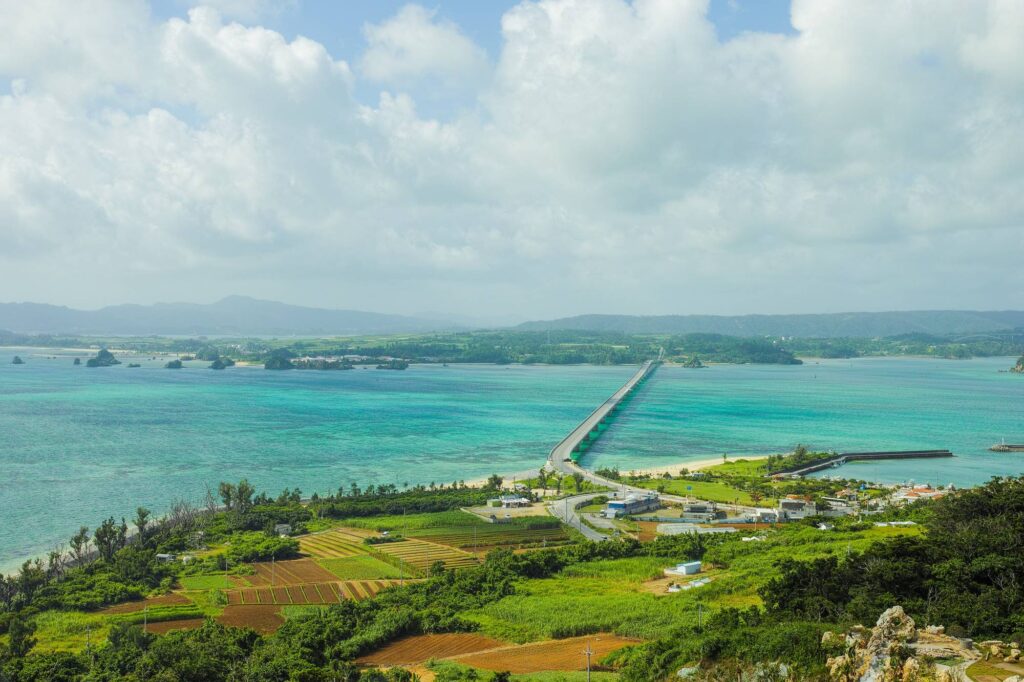
The Kouri Bridge, about 2 km (1.2 mi) long and free to cross, runs over strikingly blue water to Kouri Island, known for the heart-shaped rocks at Tinu Beach. Sesoko Island, also linked by bridge, has a long, calm beach popular with families. See the best beaches in Okinawa.
Ie Island
From Motobu Port, a ferry of about 30 minutes reaches Ie Island, recognizable by the rocky peak of Gusuku-yama. It’s an easy, relaxed day trip for cycling and coastal views, and its lily festival takes place in spring.
Yanbaru Forest and Waterfalls
Yanbaru’s forest trails range from short boardwalks to steep hikes. Hiji Falls in Kunigami, once the north’s most popular waterfall hike, has been closed since storm damage in November 2024, with reopening expected to take several years; check the Kunigami Tourism Association before planning a visit. For forest walks, try a guided Yanbaru trek or river walk instead. Daisekirinzan, near Cape Hedo, has walking routes among jagged limestone pinnacles. On the east coast, the mangroves at Gesashi Bay are a great place to kayak. See hiking and nature.
Village Life in Ogimi
Ogimi Village is famous in Japan for the long lives of its residents and for shikuwasa, a small, sour green citrus used in juice, dressings, and sweets. Stop at a roadside station (michi-no-eki) along Route 58 to try shikuwasa products and local snacks, and slow down to enjoy the quiet coastal villages.
Minna Island
Flat, crescent-shaped Minna Island lies just off the Motobu Peninsula and is reached by a short ferry ride from Toguchi Port. Its shallow, bright-blue water makes it a popular summer day trip for swimming and snorkeling, so check the ferry schedule and go early in peak season.
Cape Hedo
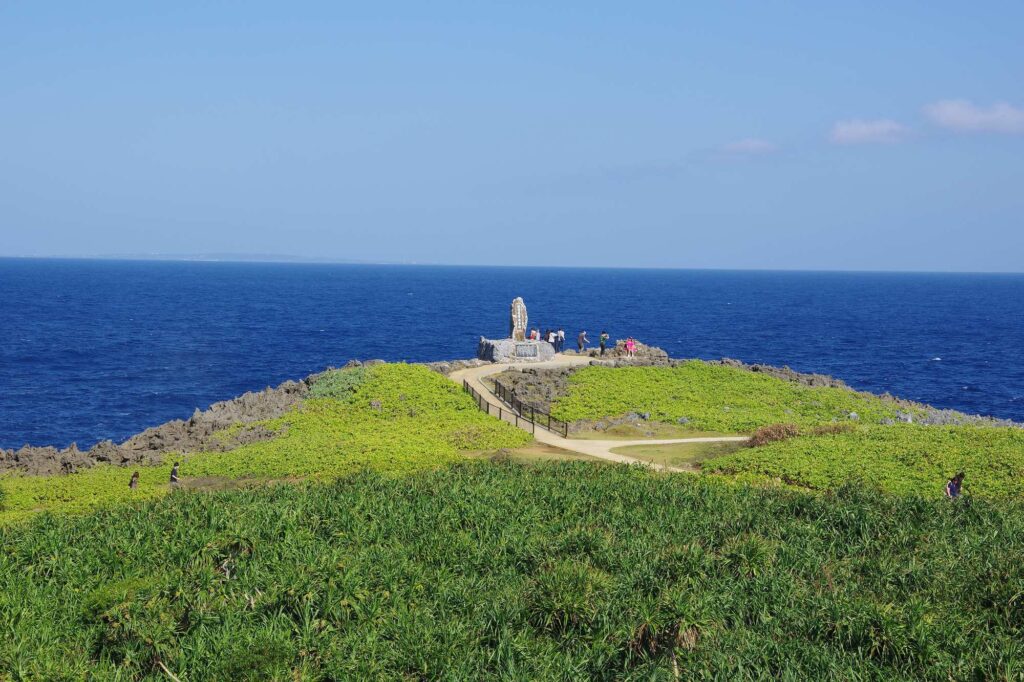
At the northern tip of the island, Cape Hedo is a windswept headland of coral cliffs and crashing waves. On clear days you can see Yoron Island, part of Kagoshima Prefecture, on the horizon.
Orion Beer in Nago
Nago is home to Okinawa’s Orion beer. The Orion Happy Park brewery tour requires a reservation and is guided in Japanese. See our food and drink guide.
Responsible Travel in Yanbaru
Yanbaru’s World Heritage status brings more visitors to a fragile area. Stick to marked trails, take your trash home, don’t feed or approach wildlife, and consider joining a local guided tour, especially for night walks or river trips. Some trails close after heavy rain, so check conditions before you set out.
Where to Stay
- Motobu: close to the aquarium, with resort hotels, guesthouses, and vacation rentals.
- Nago: the region’s city, with business hotels, restaurants, and supermarkets.
- Kouri and Sesoko islands: villas and small resorts with sea views.
- Yanbaru (Kunigami and Ogimi): a few resorts, guesthouses, and campsites for nature lovers.
Where to Eat
Motobu is known for its Okinawa soba shops; the area has many long-running noodle restaurants. Look for seafood shops near fishing harbors, cafés with views on Kouri Island, and pineapple and tropical fruit stands around Nago. In Yanbaru, roadside stations and small local diners serve simple home-style food, but choices are limited in the evening, so plan ahead. Learn more in our food and drink guide.
Sample 2-Day Northern Okinawa Plan
Day 1: Motobu Peninsula
- Morning: Okinawa Churaumi Aquarium at opening time, then Emerald Beach.
- Lunch: Okinawa soba in Motobu.
- Afternoon: Bise Fukugi Tree Road and Nakijin Castle.
- Evening: Sunset from the Kouri Bridge or Kouri Island, then stay in Motobu.
Day 2: Yanbaru
- Morning: Drive north along Route 58 for a guided Yanbaru forest walk or river trek (Hiji Falls is closed after 2024 storm damage).
- Midday: Continue to Cape Hedo and Daisekirinzan.
- Afternoon: Return down the east coast and kayak in the Gesashi Bay mangroves, or head back toward Nago.
- Evening: Dinner in Nago or return south.
See our Okinawa itineraries for longer plans.
Frequently Asked Questions
Can I visit the Churaumi Aquarium as a day trip from Naha?
Yes, but it’s about 2 hours each way by car. Staying a night in Motobu or Nago makes the north far more relaxing.
Is Yanbaru worth visiting?
Yes, if you enjoy nature. Its forests, waterfalls, and quiet coast feel very different from the busy south.
Are there dangerous animals in Yanbaru?
The habu, a venomous snake, lives in Okinawa’s forests. Stay on trails, avoid long grass, and use a flashlight at night.
What is the Okinawa rail?
A flightless bird found only in northern Okinawa. It’s endangered, so drive slowly where signs warn of crossings.