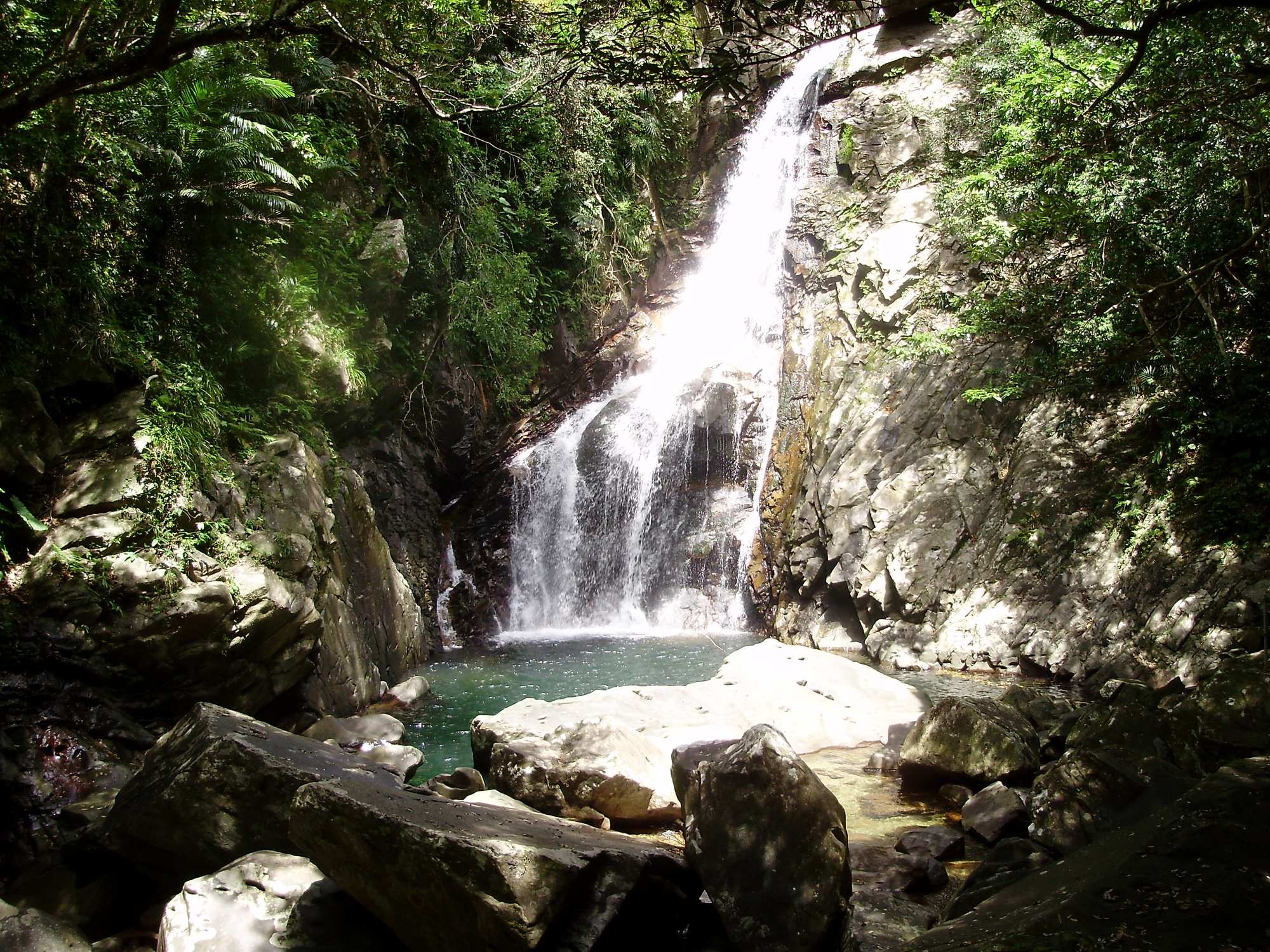
Okinawa’s beaches get the headlines, but the islands also hide subtropical forests, waterfalls, limestone karst, and mangrove-lined rivers. The north of the Main Island and the island of Iriomote are part of a UNESCO World Natural Heritage site, home to wildlife found nowhere else on Earth.
This guide to hiking in Okinawa covers the best trails and nature experiences, what wildlife to look for, and how to stay safe in the heat.
Yanbaru: The Forest of the North
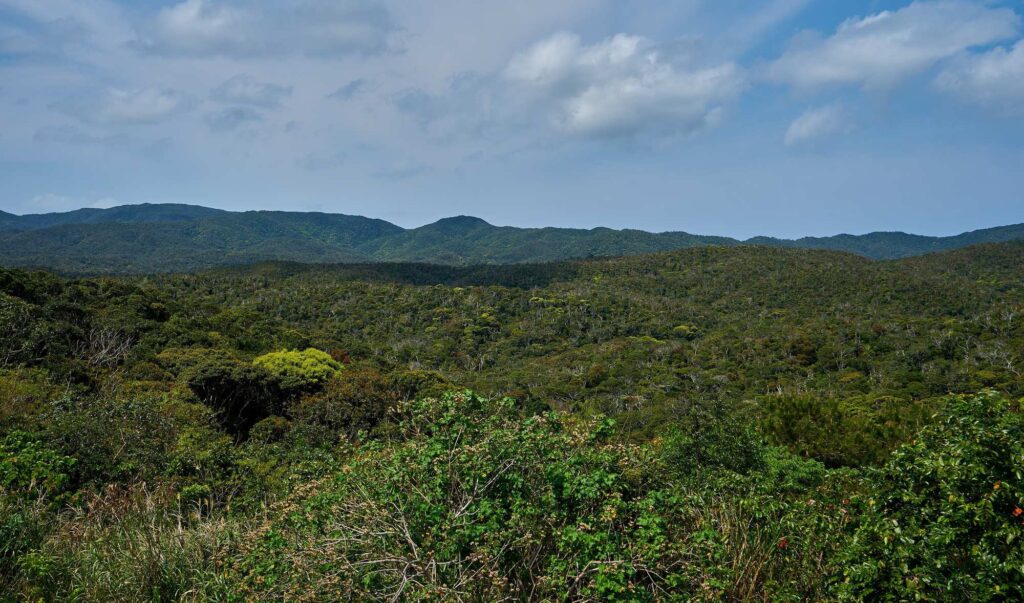
Yanbaru is the name for the forested, mountainous north of the Main Island. Much of it is protected as Yanbaru National Park, and in 2021 it became part of the UNESCO World Natural Heritage site “Amami-Oshima Island, Tokunoshima Island, Northern part of Okinawa Island, and Iriomote Island.”
Yanbaru is home to the Okinawa rail (Yanbaru kuina), a nearly flightless bird found only here, and the Okinawa woodpecker. Spotting them takes patience and luck, but you’ll hear frogs, insects, and birds all around you. When driving, watch for signs warning of rails crossing the road, and keep your speed down.
Hiji Falls (currently closed)
Currently closed: the trail, campsite, and parking at Hiji Falls (Hiji Otaki) in Kunigami Village have been closed since heavy-rain damage in November 2024, and the village expects repairs to take several years. Check the Kunigami Tourism Association for updates. When open, it was one of the most popular hikes in the north: a trail of about 1.5 km (0.9 mi) each way through the forest, with many steps and a suspension bridge, to a waterfall plunging into a pool. Until it reopens, try Daisekirinzan near Cape Hedo or a guided Yanbaru river trek instead.
Daisekirinzan
Near Cape Hedo, the northern tip of the Main Island, Daisekirinzan is a park of jagged limestone pinnacles, ancient banyan trees, and walking trails with views over the sea. The landscape has been shaped over millions of years, and the site is also considered sacred. Paths are short and suitable for most visitors, though some sections are uneven.
Mountains and viewpoints
Mount Yonaha, at 503 m (1,650 ft), is the highest point on the Main Island, though much of the summit area is forested and protected. For easier views, Cape Hedo’s headland, the observation points on the Motobu Peninsula, and the hills around Nago offer sweeping coastal panoramas without a long climb.
Central and Southern Okinawa
Gangala Valley
In Nanjo City, Gangala Valley is a forested valley formed when limestone caves collapsed. It’s visited on guided tours only, which take you past giant banyan trees and cave sites where traces of prehistoric people have been found. It’s an easy, fascinating walk and a good option for families.
Mangrove kayaking
Paddling through mangroves is one of Okinawa’s most relaxing nature experiences. On the Main Island, the Okukubi River in Kin and Gesashi Bay in Higashi Village are popular for guided kayak and canoe tours. Look out for mudskippers, fiddler crabs, and wading birds. Tours are timed around the tides, so book ahead.
Iriomote: Okinawa’s Jungle Island
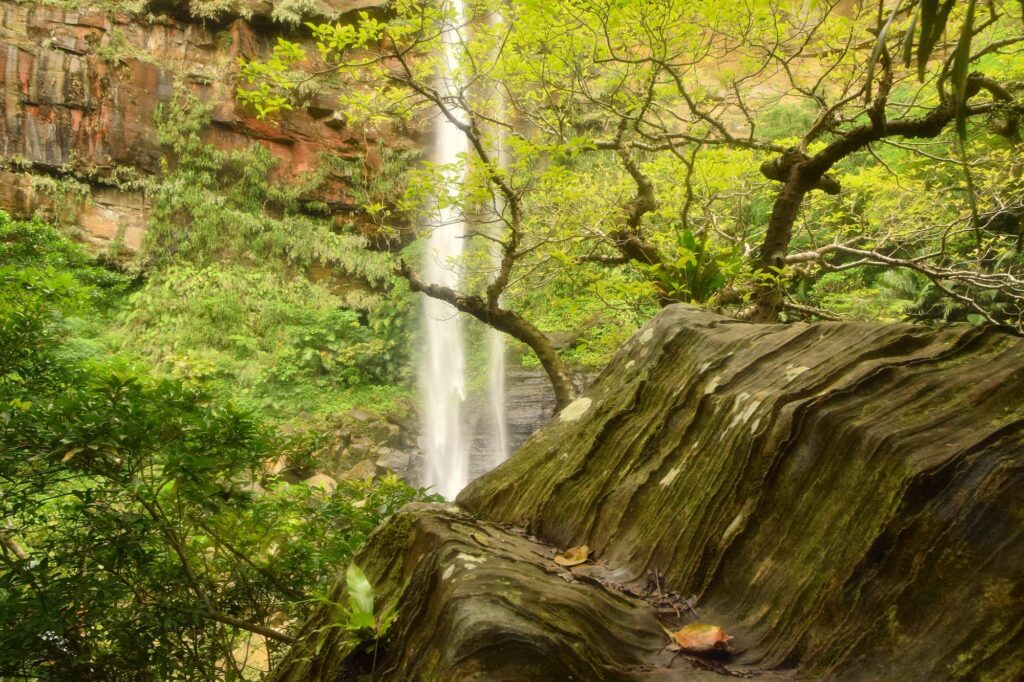
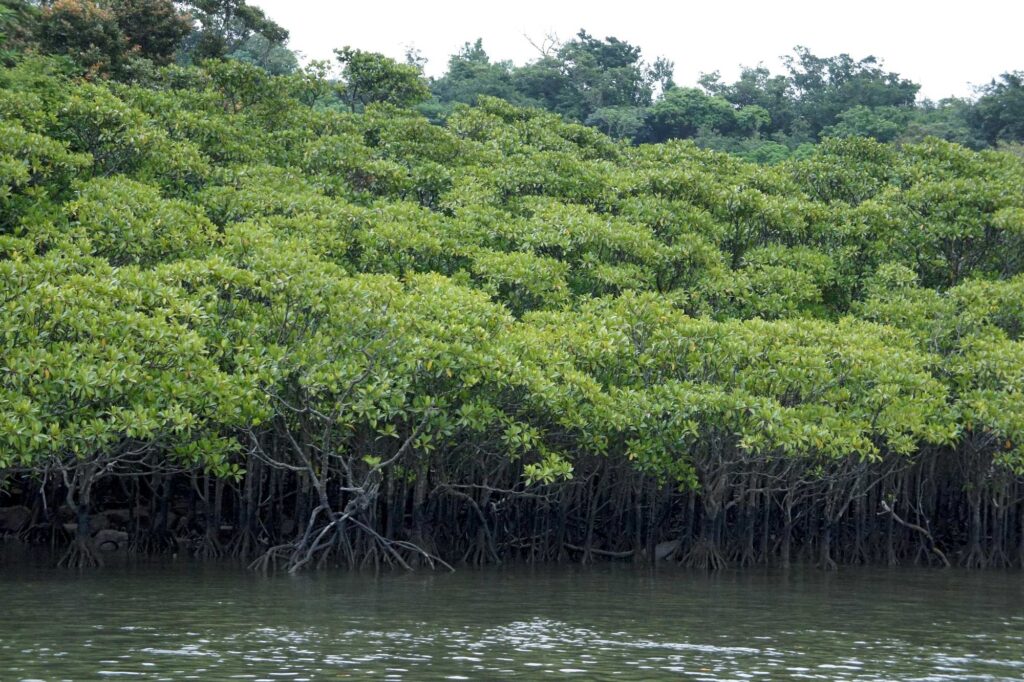
Iriomote, reached by ferry from Ishigaki, is mostly covered in subtropical forest and mangroves, crossed by rivers and waterfalls. It is home to the critically endangered Iriomote wildcat, found only on this island. Drive slowly, especially at night, to protect wildlife.
- Urauchi River is a classic: take a river cruise or kayak upstream, then hike through the forest toward waterfalls.
- Pinaisara Falls, one of the tallest waterfalls in Okinawa Prefecture, is reached by kayak and trail.
- Mangrove tours along the Nakama River and other waterways are suitable for all ages.
Important: to protect the World Heritage environment, some of Iriomote’s most popular trails and river areas now have visitor limits and require advance entry approval, registered guides, or completion of local training before you go unguided. Rules can change, so check the latest information from Taketomi Town and the Iriomote ecotourism association, and book with a registered guide.
Ishigaki’s Mount Omoto
On Ishigaki, Mount Omoto, at 526 m (1,726 ft), is the highest peak in Okinawa Prefecture. Much of the surrounding area is protected forest. For easier walks, Ishigaki’s coastal viewpoints, such as those near Kabira Bay and Cape Hirakubo, offer spectacular scenery.
Wildlife to Look For
| Animal | Where | Notes |
|---|---|---|
| Okinawa rail (Yanbaru kuina) | Yanbaru forest | Nearly flightless; found only in northern Okinawa |
| Okinawa woodpecker | Yanbaru forest | Rare and endemic |
| Iriomote wildcat | Iriomote | Critically endangered; rarely seen |
| Crested serpent eagle | Yaeyama Islands | Often seen perched near roads and fields |
| Mudskippers and fiddler crabs | Mangroves | Easy to spot at low tide |
| Fireflies | Forests in spring | Guided night tours run in some areas |
Safety Tips
- Beat the heat. Start early, carry plenty of water, and rest in the shade. Heatstroke is a real risk from spring to autumn.
- Watch for habu. Okinawa’s venomous habu snakes live in forests and grassy areas. Stay on marked trails, wear closed shoes, use a flashlight at night, and don’t reach into stone walls or undergrowth.
- Check the weather. Heavy rain can make trails slippery and rivers dangerous. Avoid hiking and river activities when typhoons or heavy rain are forecast.
- Go with a guide for jungle, river, and cave areas, especially on Iriomote.
- Protect yourself from insects. Use repellent and cover up, especially near mangroves at dusk.
- Leave no trace. Take all rubbish with you, stay on paths, and never take plants, animals, or rocks.
What to Bring
- Plenty of water, more than you think you’ll need, plus electrolyte drinks or snacks.
- Sturdy shoes with good grip; trails can be muddy and steps slippery after rain.
- Water shoes or river shoes for kayaking and river trekking.
- A hat, sunglasses, and sunscreen, even under the forest canopy on exposed stretches.
- Insect repellent and a light rain jacket.
- A flashlight or headlamp if you might be out near dusk.
- A fully charged phone with offline maps, as mobile signal can be weak in the deep forest.
Many trails and parks in the north have limited facilities. Use restrooms and stock up on drinks before you set off, and let your accommodation know your plans if you’re heading somewhere remote.
When to Go
The best hiking weather is from October to April, when temperatures are cooler and humidity lower. Summer is very hot and humid, so plan early starts and shorter hikes. Avoid the rainy season (around mid-May to late June) and typhoon days. See the best time to visit Okinawa for more.
Combine your nature days with beach time or snorkeling, or explore the north’s history at Nakijin Castle.
Frequently Asked Questions
Is there good hiking in Okinawa?
Yes, though trails are generally short rather than long-distance treks. The best hiking is in the Yanbaru forest in the north and on Iriomote Island.
What is Yanbaru?
The forested north of the Main Island, protected as Yanbaru National Park and part of a UNESCO World Natural Heritage site. It’s home to rare species such as the Okinawa rail.
Do I need a guide on Iriomote?
For some popular trails and river areas, yes. Several sites now require advance approval and a registered guide, or local training. Check the latest rules before you go.
Are there dangerous animals on Okinawa’s trails?
The main hazard is the venomous habu snake. Bites are uncommon, but stay on trails, wear closed shoes, and use a light at night.
What is the highest mountain in Okinawa?
Mount Omoto on Ishigaki, at 526 m (1,726 ft), is the highest in the prefecture. On the Main Island, the highest point is Mount Yonaha, at 503 m (1,650 ft).