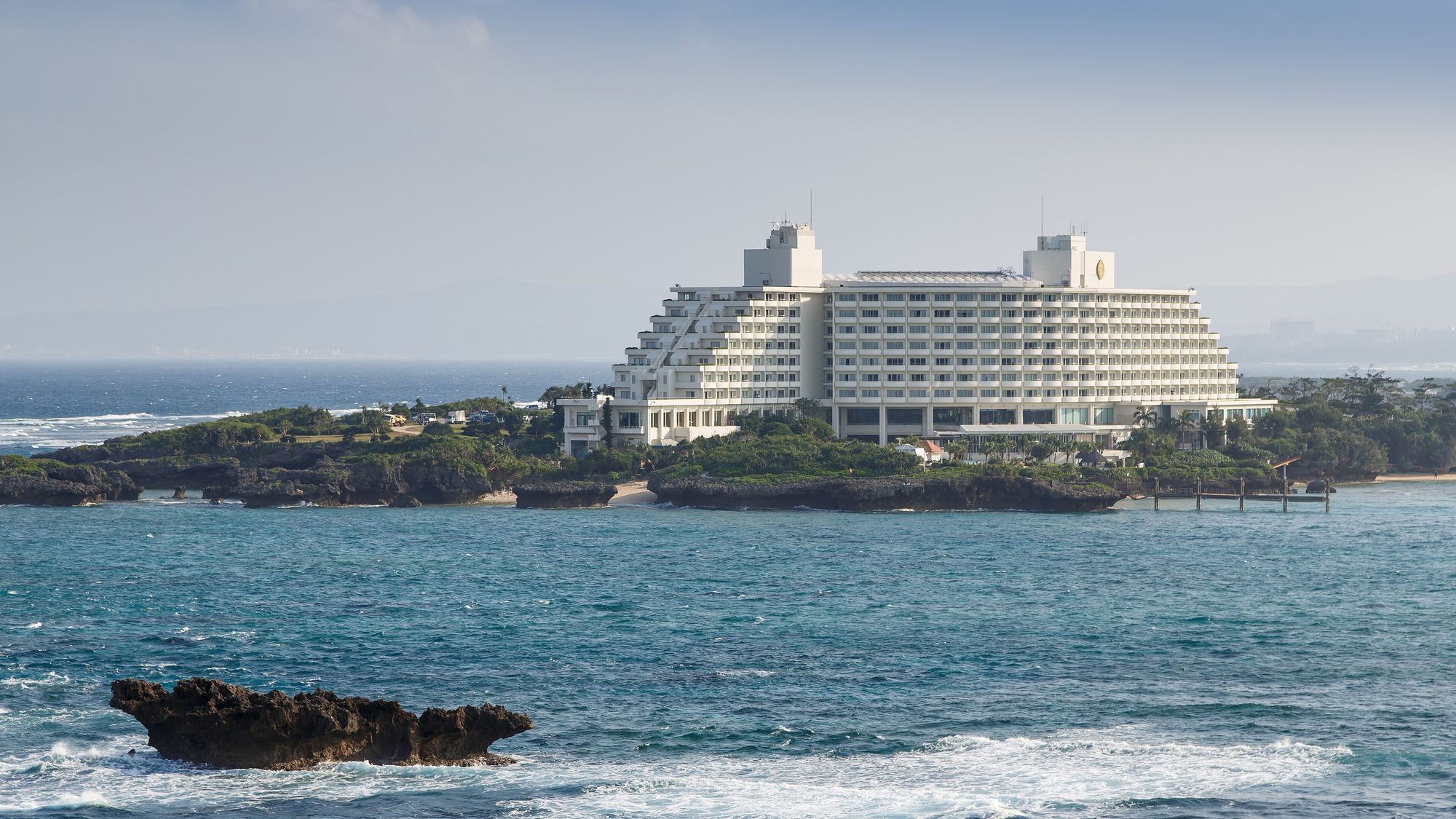
Choosing where to stay in Okinawa shapes your whole trip. The Main Island alone stretches more than 100 km (62 mi) from south to north, and traffic can make long drives slow. Add the outer islands, and the right base can save you hours of travel.
Below we compare the main areas, who each one suits, and the types of accommodation you’ll find, so you can pick a base, or two, that fits your plans.
Quick Comparison
| Area | Best for | Car needed? |
|---|---|---|
| Naha | First-timers, short trips, food and nightlife, non-drivers | No |
| Chatan / American Village | Couples, young travelers, shopping, sunsets | Helpful |
| Onna / west coast resorts | Families, beach holidays, snorkeling and diving | Recommended |
| Motobu / the north | Churaumi Aquarium, Kouri Island, nature | Yes |
| Southern Okinawa | Culture, WWII sites, quiet stays | Yes |
| Kerama Islands | Snorkeling, sea turtles, slow island life | No |
| Miyako | Beaches, bridges, very clear water | Yes |
| Ishigaki | Island hopping in Yaeyama, diving, food | Helpful |
Main Island Areas
Naha
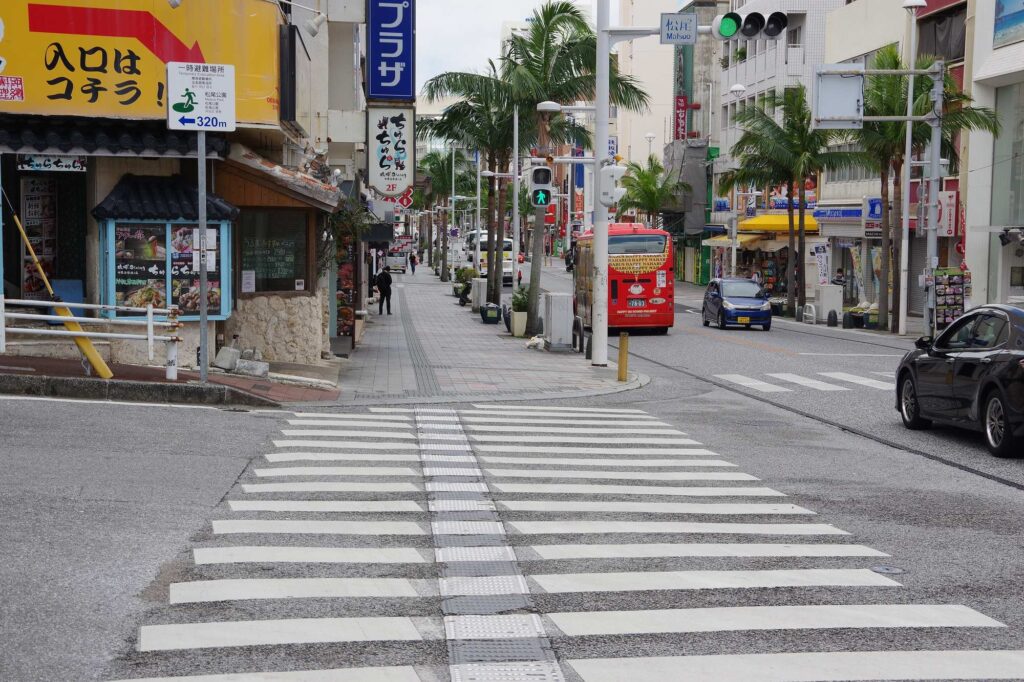
The capital is the most practical base for a first visit or a short stay. You’ll find the widest choice of hotels at every budget, the Yui Rail monorail to the airport and Shuri Castle, and plenty of restaurants, bars, and markets around Kokusai Street. Staying near a monorail station means you don’t need a car for city sightseeing.
Within Naha, the streets around Kokusai Street put you in the heart of the action, while Omoromachi is a newer district with shopping malls, the Okinawa Prefectural Museum, and a slightly calmer feel. If you plan an early ferry to the Kerama Islands, a hotel near Tomari Port makes the morning much easier.
Good for: first-timers, non-drivers, foodies, and anyone with an early or late flight. Less ideal for: beach holidays, since Naha’s city beach is pleasant but not the island’s best.
Chatan and American Village
About 20 km (12 mi) north of Naha Airport, Chatan is a lively seaside town centered on Mihama American Village, a colorful area of shops, cafés, and restaurants beside Sunset Beach and Araha Beach. It has a relaxed, international feel and great sunsets over the East China Sea.
Good for: couples, younger travelers, and anyone who wants walkable dining and a beach. Less ideal for: travelers seeking quiet nature.
Onna and the West Coast Resorts
The coastline around Onna Village is Okinawa’s classic resort strip. Large beach resorts line the shore, many with their own beaches, pools, and activity desks. It’s a convenient middle point between Naha and the north, and a hub for snorkeling and diving trips, including tours to the Blue Cave at Cape Maeda.
Good for: families, beach holidays, and divers. Less ideal for: budget travelers and non-drivers, though airport limousine buses serve the area.
Motobu and the North
The Motobu Peninsula puts you close to the Okinawa Churaumi Aquarium, Emerald Beach, Nakijin Castle ruins, and the bridges to Sesoko and Kouri islands. Farther north, the Yanbaru forest offers hiking, waterfalls, and a slower pace. Accommodation here ranges from resorts to holiday rentals and small guesthouses.
Good for: families focused on the aquarium, nature lovers, and travelers who want to escape the crowds. Less ideal for: short trips, as it’s around 2 hours by car from Naha Airport.
Southern Okinawa
The south, including Nanjo and Itoman, is quieter and closer to the airport than the resort coast. It’s home to Sefa-utaki, Okinawa World, sea-view cafés, and the island’s main WWII memorials. Expect smaller hotels, holiday homes, and a few resorts rather than big hotel strips.
Good for: culture and history lovers, and travelers who want peace and sea views close to Naha. Less ideal for: nightlife and non-drivers.
Outer Islands
Kerama Islands
Zamami, Aka, and Tokashiki are small, peaceful islands a short ferry ride from Naha. Accommodation is mostly minshuku (family-run guesthouses), small inns, and a handful of small hotels, so book early in summer. Staying overnight lets you enjoy the beaches after the day-trippers leave.
Good for: snorkelers, divers, and anyone who wants to slow down. Less ideal for: travelers who want lots of dining choices or nightlife.
Miyako
Miyako and its bridge-linked neighbors, Irabu, Ikema, and Kurima, are famous for beaches such as Yonaha Maehama and for very clear water. Stay in Hirara, the main town, for restaurants and convenience, or at a beach resort or villa for a quieter getaway. You’ll want a rental car.
Good for: beach lovers, couples, and road-trippers. Less ideal for: travelers who don’t drive.
Ishigaki
Ishigaki is the hub of the Yaeyama Islands. Staying in Ishigaki city, near the port, makes it easy to take day-trip ferries to Taketomi, Iriomote, and Kohama, and gives you plenty of restaurants. Resorts and villas are spread around the island’s coast, including the Kabira and Yonehara areas.
Good for: island hoppers, divers, and food lovers. Less ideal for: travelers wanting a single beach resort with everything on site, unless you book one.
Suggested Bases by Trip Length
Weekend or 3 days: stay in Naha. You can explore the city and Shuri Castle on foot and by monorail, then rent a car for a day trip south or up the west coast.
4–5 days: split your stay between Naha and either Chatan or the Onna coast. This keeps drive times short and gives you both city life and beach time.
One week: spend two nights in Naha, two or three nights on the west coast or in Motobu, and finish with one or two nights on Zamami or Tokashiki. Alternatively, swap the Kerama Islands for a short flight to Miyako or Ishigaki.
Ten days or more: combine the Main Island with one outer island group. Ishigaki works well for island hopping, as ferries from its port reach Taketomi, Iriomote, Kohama, and beyond.
Moving hotels every night is tiring, especially with luggage and summer heat. Two or three nights in each place is usually the sweet spot.
Families, Couples, and Budget Travelers
Families tend to prefer the west coast and Motobu, where resorts offer pools, kids’ programs, and managed beaches nearby. Request extra beds or connecting rooms early, as Japanese hotel rooms can be smaller than you might expect.
Couples often enjoy a mix of Chatan’s sunset dining and a quieter villa or small resort in the north, the south, or on Miyako.
Budget travelers will find the best value in Naha’s business hotels and hostels, and in minshuku on the outer islands. Traveling outside Japanese holiday periods makes the biggest difference to prices.
Types of Accommodation
Resort hotels
Okinawa’s resorts, concentrated on the west coast, Motobu, Miyako, and Ishigaki, usually offer beach access, pools, restaurants, and activity programs. They are the easiest choice for families and beach holidays.
City and business hotels
Common in Naha and larger towns, business hotels offer compact, clean rooms at reasonable rates. They’re ideal if you’ll be out all day. Many include breakfast and are close to monorail stations.
Minshuku and guesthouses
A minshuku is a family-run guesthouse, often with shared bathrooms and home-cooked meals. They’re common on the smaller islands and a wonderful way to meet locals. Expect simple rooms, and check whether meals are included.
Villas and holiday rentals
Private villas and holiday homes are increasingly popular, especially in the north, the south, and on Miyako. They suit families and groups who want space, a kitchen, and privacy. Make sure any rental is properly licensed, and check parking and check-in arrangements.
Booking Tips
- Book early for peak periods: Golden Week, July and August, Obon, and New Year sell out fast, especially on small islands.
- Consider two bases: for example, Naha for your first and last nights, and a resort or the north in between.
- Check parking: if you’re renting a car, confirm whether the hotel has parking and whether it costs extra.
- Read the cancellation policy: flexible rates are worth it in typhoon season, from roughly June to October.
- Check ferry and flight times: on the outer islands, plan around the first and last boats.
- Look at the map, not just the name: a hotel described as “near the beach” may still be a drive from the best swimming spots.
Once you’ve picked a base, see our guide to getting around Okinawa for rental cars, buses, ferries, and flights.
Frequently Asked Questions
Where should I stay in Okinawa for the first time?
Naha is the easiest base for a first visit, with good transport, food, and hotels at every budget. If you want a beach holiday, add a few nights on the west coast or an outer island.
Is it better to stay in Naha or Onna?
Stay in Naha if you won’t drive and want city life. Choose Onna if you want a beach resort and plan to rent a car or use airport limousine buses.
Can I stay in Okinawa without a car?
Yes. Naha works well without one, and so do the small Kerama Islands. Elsewhere, especially in the north, on Miyako, and on Ishigaki, a car makes life much easier.
Should I stay on the Main Island or an outer island?
For a short trip, the Main Island is simpler. With five days or more, an outer island such as Zamami, Miyako, or Ishigaki adds unforgettable beaches.
What is a minshuku?
A minshuku is a small, family-run guesthouse, similar to a bed and breakfast, often with shared facilities and home-cooked meals.